I've spent countless hours chasing down video game villains, and usually I'm happy to do it. But every so often, a game throws me a curveball: an antagonist whose motivations are so understandable that I actually feel a twinge of guilt when I press the final button. These aren't your mustache-twirling baddies. They're people (or former people) with reasons that make me pause. And in 2026, with games getting more emotionally complex, those moments hit even harder. Here are the ones that stuck with me.
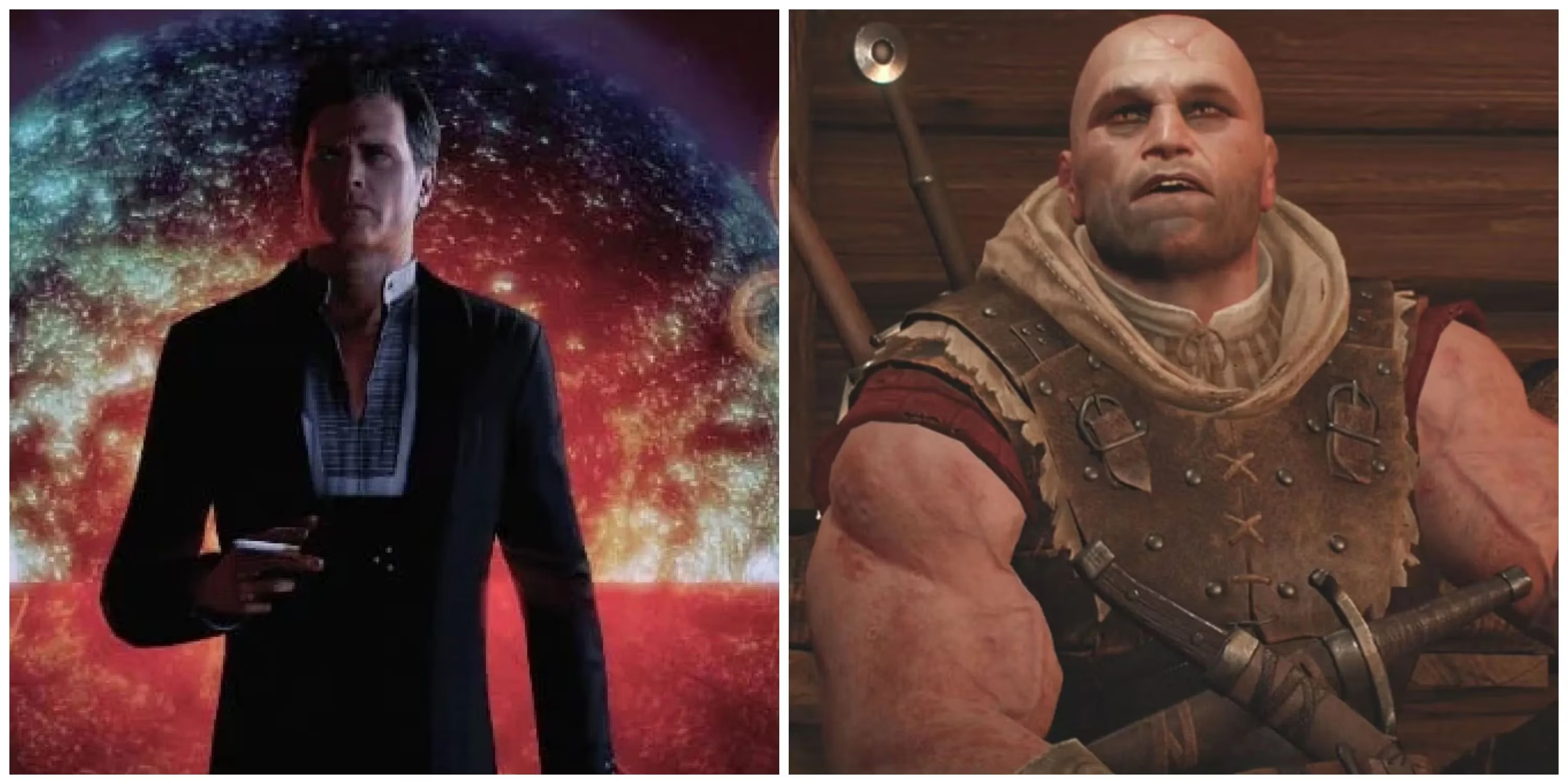
Marlene and the Fireflies: The Cure That Cost Everything
I still remember the ending of The Last of Us Part I. Marlene had been set up as a savior figure, leading the Fireflies against FEDRA's oppression. She wanted a cure. She wanted to save humanity. That's a noble goal, right? Then the game drops the bomb: Ellie would die during the surgery. Marlene knew, and she still chose to go through with it. She was torn up about it, sure. But she put humanity's interests above her own feelings.
When Joel went on his rampage and killed her, I felt conflicted. On one hand, Joel is the protagonist, and I was rooting for him to save Ellie. On the other, Marlene wasn't evil. She was making the impossible choice that leaders sometimes have to make. I remember staring at the screen, thinking, "Would I have done any different?" And honestly, I'm not sure. That's what makes her so compelling.
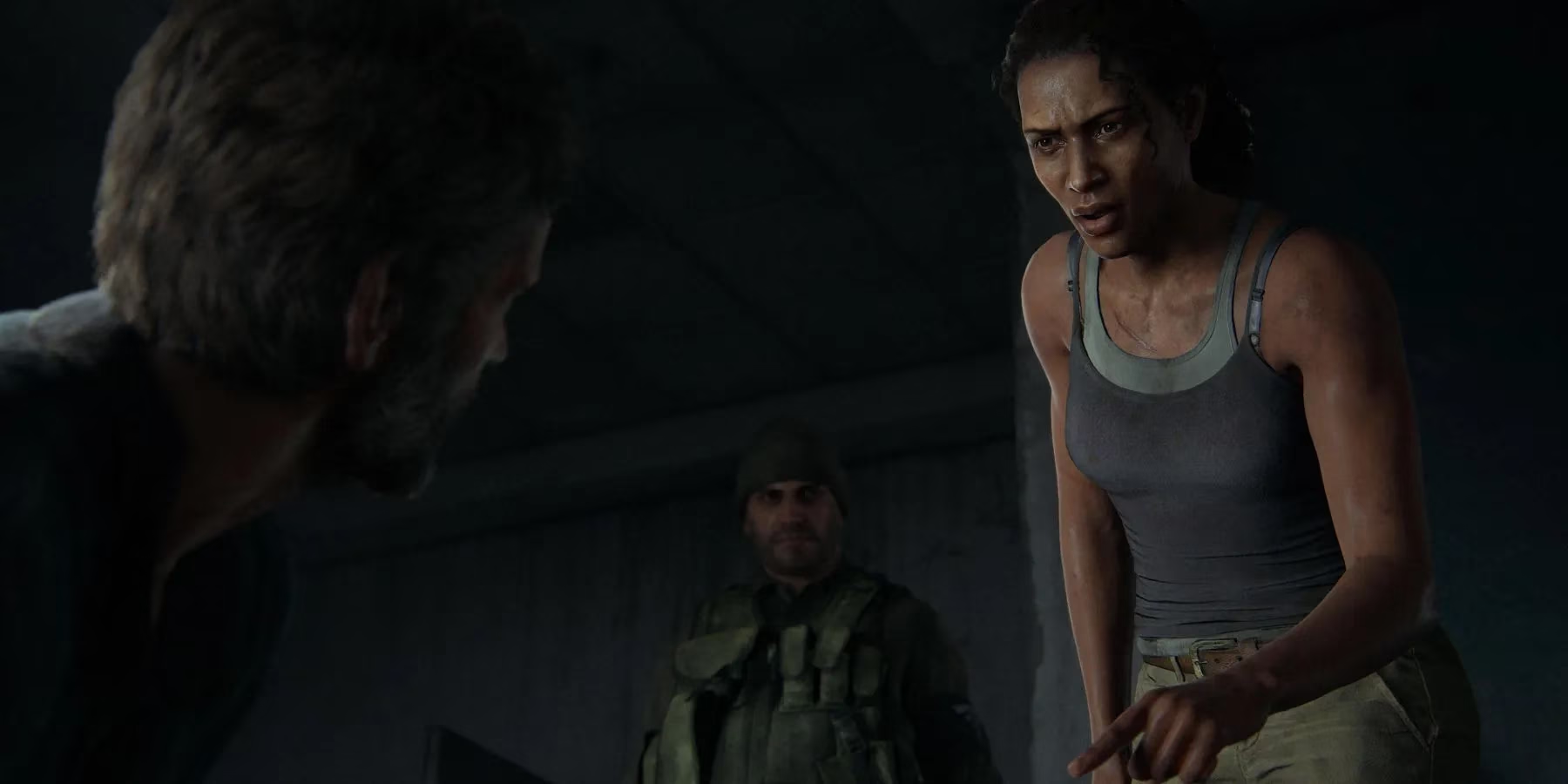
Kessler: The Villain Who Was Trying to Save Himself
Infamous is one of those games that deserved more sequels, but the first entry gave me one of the most mind-bending villain reveals. Kessler hounded Cole McGrath for the entire game, and I hated him. He seemed like a typical power-hungry maniac. Then, after the final battle, he reveals the truth: he's Cole from a future destroyed by a beast. He came back to the past to make his younger self strong enough to face that threat.
I remember putting down the controller and just sitting there. Kessler wasn't a villain; he was a desperate version of the hero. He did terrible things, but his goal was to prevent an apocalypse. In 2026, with so many games using time travel as a gimmick, this one still stands out because it made me feel sorry for the guy I'd been trying to kill for hours.
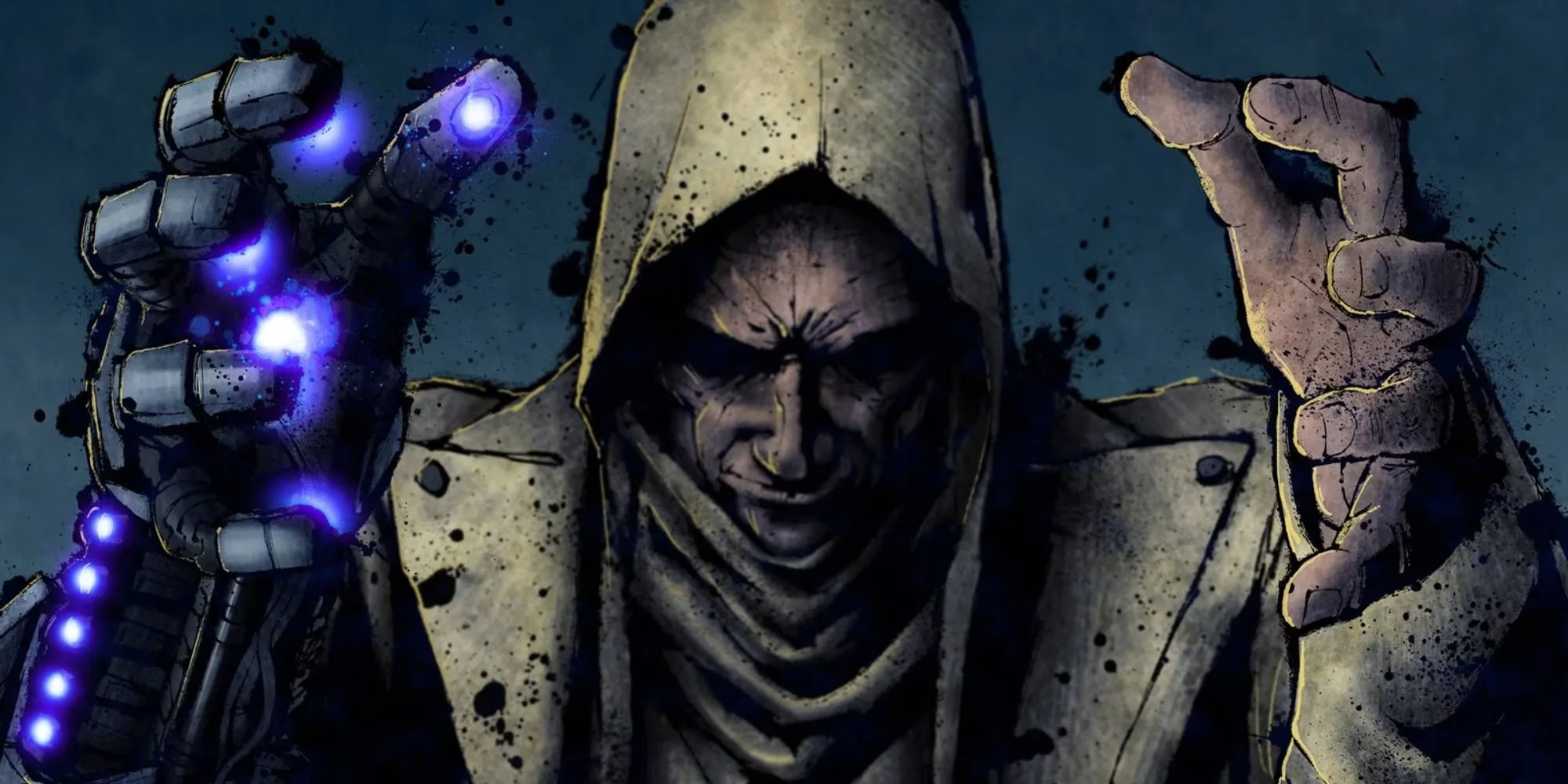
Letho: A Witcher Just Doing a Job
The Witcher 2 introduced Letho as a kingslayer, and for most of the game I saw him as nothing more than a cold-blooded assassin. He kills without hesitation, and I spent hours chasing him. But then the truth comes out: he was contracted by Emhyr var Emreis to eliminate threats before the invasion of the North. In return, Emhyr would help him rebuild the School of the Viper, one of the fallen witcher schools.
Suddenly, Letho wasn't a monster. He was a professional trying to preserve his dying trade. I've always loved The Witcher for its grey morality, and Letho is a perfect example. He's not a good guy, but his motivations are logical. When I finally faced him, I didn't feel triumphant. I felt like I was interfering with someone's livelihood.
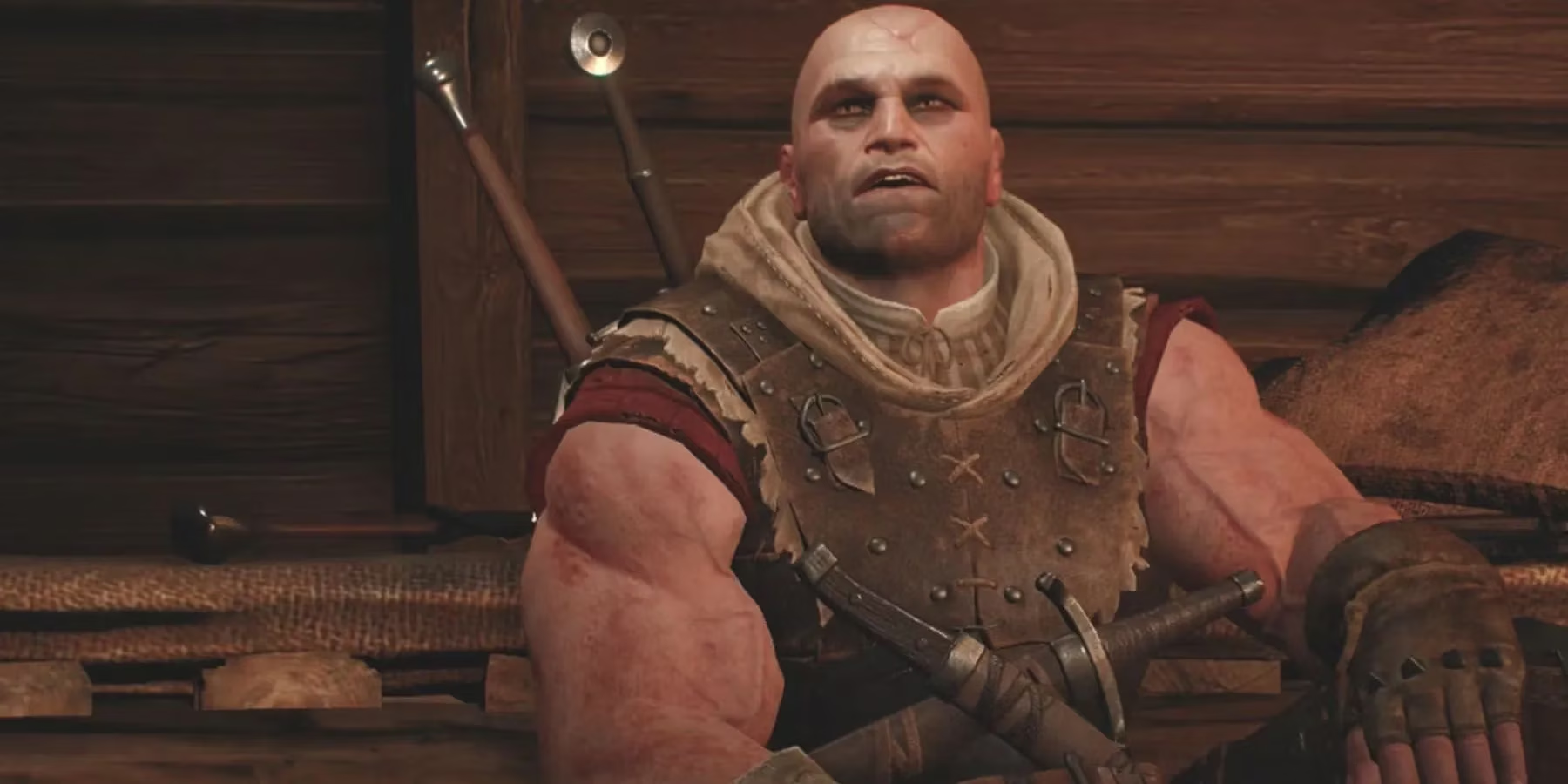
Edgar Ross: The Lawman I Loved to Hate
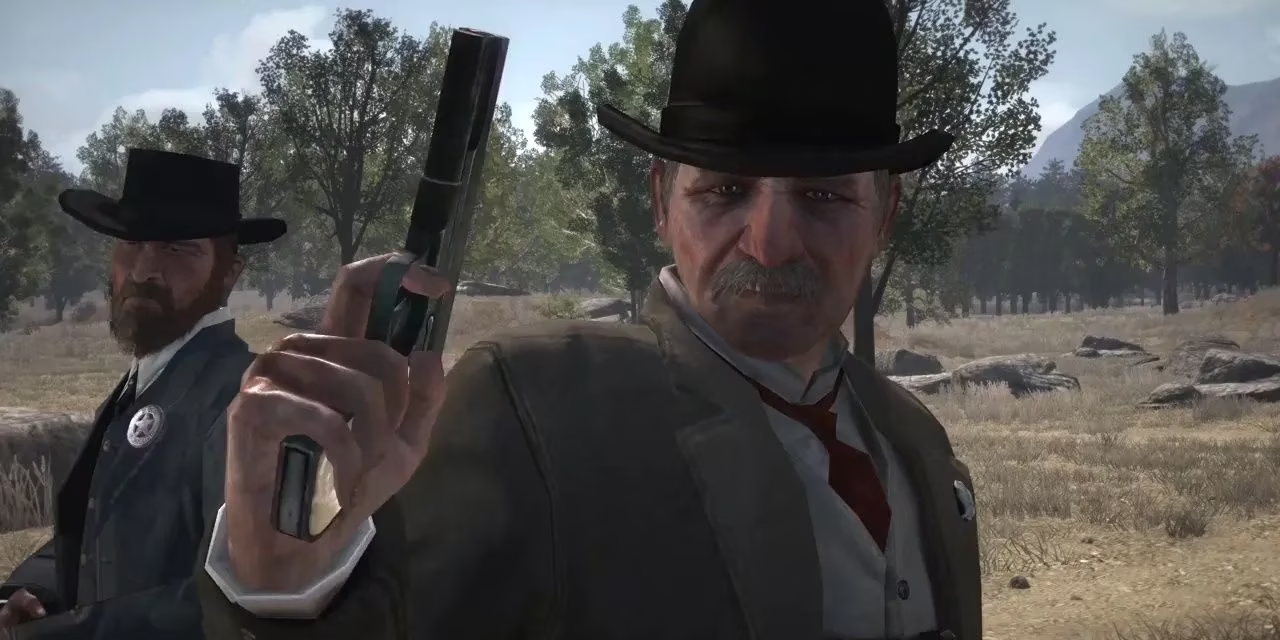
I'll admit it: I hated Edgar Ross. He's one of the most disliked characters in gaming history, and for good reason. He manipulated John Marston, used him as a puppet, and then killed him in cold blood. That moment in Red Dead Redemption is burned into my memory. But here's the thing I often forget: the Van der Linde gang were outlaws. They committed crimes. Ross was a lawman trying to preserve peace and order in a world that was transitioning to a new age.
Does that excuse his actions? No. But it makes them make sense. In 2026, with so many antihero stories, Ross stands out because he's not a villain in his own mind. He's the hero of his own story. And that's terrifying.
Ludwig: A Broken Hunter
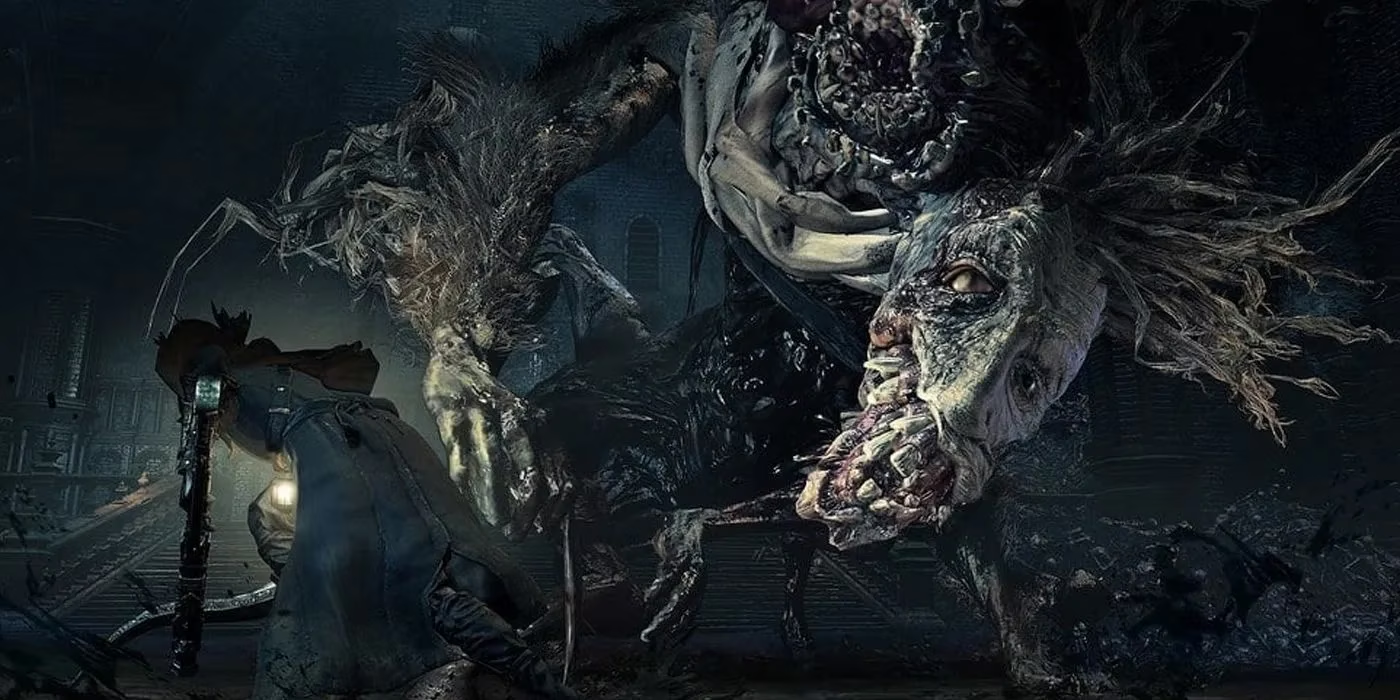
Calling Ludwig a villain is almost unfair. In Bloodborne's The Old Hunters DLC, he's lost his mind, and he serves as one of the hardest bosses in the game. I died to him more times than I care to admit. But then, mid-battle, he regains his sanity and wields the Moonlight Greatsword. Suddenly, I wasn't fighting a beast; I was fighting a man with years of battle experience.
After the fight, talking to his severed head was eye-opening. Ludwig still believed the Healing Church was fighting the scourge of the nightmare, not fueling it. He was deluded, but he was also tragic. I felt bad for him. That's not something I expected from a Soulsborne boss.
The Illusive Man: Saving Humanity at Any Cost
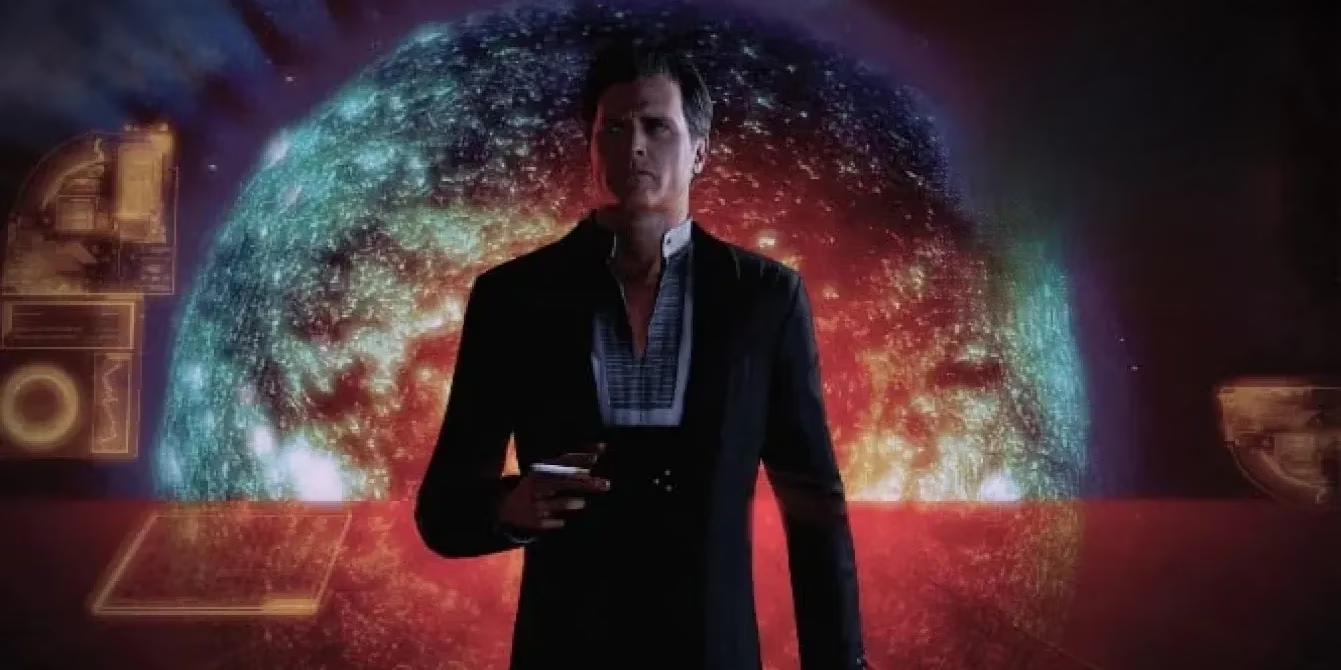
The Illusive Man saved Commander Shepard's life in Mass Effect 2. That seems like a good deed, right? But he's the leader of Cerberus, and his priority is humanity's survival above all other races. He knew about the Reapers and decided that the ends justified the means. Then he got indoctrinated and became a tool for the Reapers.
If Shepard convinces him of the truth near the end, he realizes that the best way to save humanity is to end his own life. That's a redemption moment that hit me hard. He wasn't evil; he was just too focused on his own species. In 2026, with debates about AI and humanity's future raging, his story feels more relevant than ever.
Why These Villains Matter
Here's a quick summary of what makes them so memorable:
| Villain | Game | Their Reason | My Reaction |
|---|---|---|---|
| Marlene | The Last of Us | Save humanity via cure | Guilt, sadness |
| Kessler | Infamous | Prevent future apocalypse | Shock, sympathy |
| Letho | The Witcher 2 | Rebuild his witcher school | Respect |
| Edgar Ross | Red Dead Redemption | Enforce the law | Reluctant understanding |
| Ludwig | Bloodborne | Fight the nightmare (while mad) | Pity |
| Illusive Man | Mass Effect 2 | Protect humanity at all costs | Redemption arc appreciation |
When I play games in 2026, I look for these kinds of antagonists. They make the story richer. They make me question my own choices. And sometimes, they make me feel guilty for winning. That's the mark of a truly great villain. 🎮