It is 2026, and somewhere in a drawer or under a television stand, a Nintendo Switch sits in silence. Its battery is completely drained, and a thin layer of dust has settled on its once-gleaming screen. For a console that was widely considered a contender for the greatest of all time, this feels like an undignified retirement. How did a device that hosted the best Mario Kart ever, the groundbreaking open world of The Legend of Zelda: Breath of the Wild, and the pandemic-defining sensation Animal Crossing: New Horizons become a forgotten relic so quickly?
The library it amassed over its lifespan remains nothing short of stellar. It housed not one, but two of the most innovative Zelda titles, alongside stellar indies like Hollow Knight and Celeste. These weren't just games; they were cultural moments. The Switch promised a revolution that it ultimately delivered: high-quality gaming on a hybrid console, untethered from the living room.
For years, the Switch was the definitive home for a very specific type of experience. Titles like Sayonara Wild Hearts, Untitled Goose Game, and Gris felt like they were made for the hardware. A player didn't need 4K textures to appreciate the watercolor palette of Gris, nor 120fps to precisely time a double jump in Celeste. The console bridged the gap between blockbuster exclusives and a thriving independent scene, creating a perfect storm of interactive entertainment.
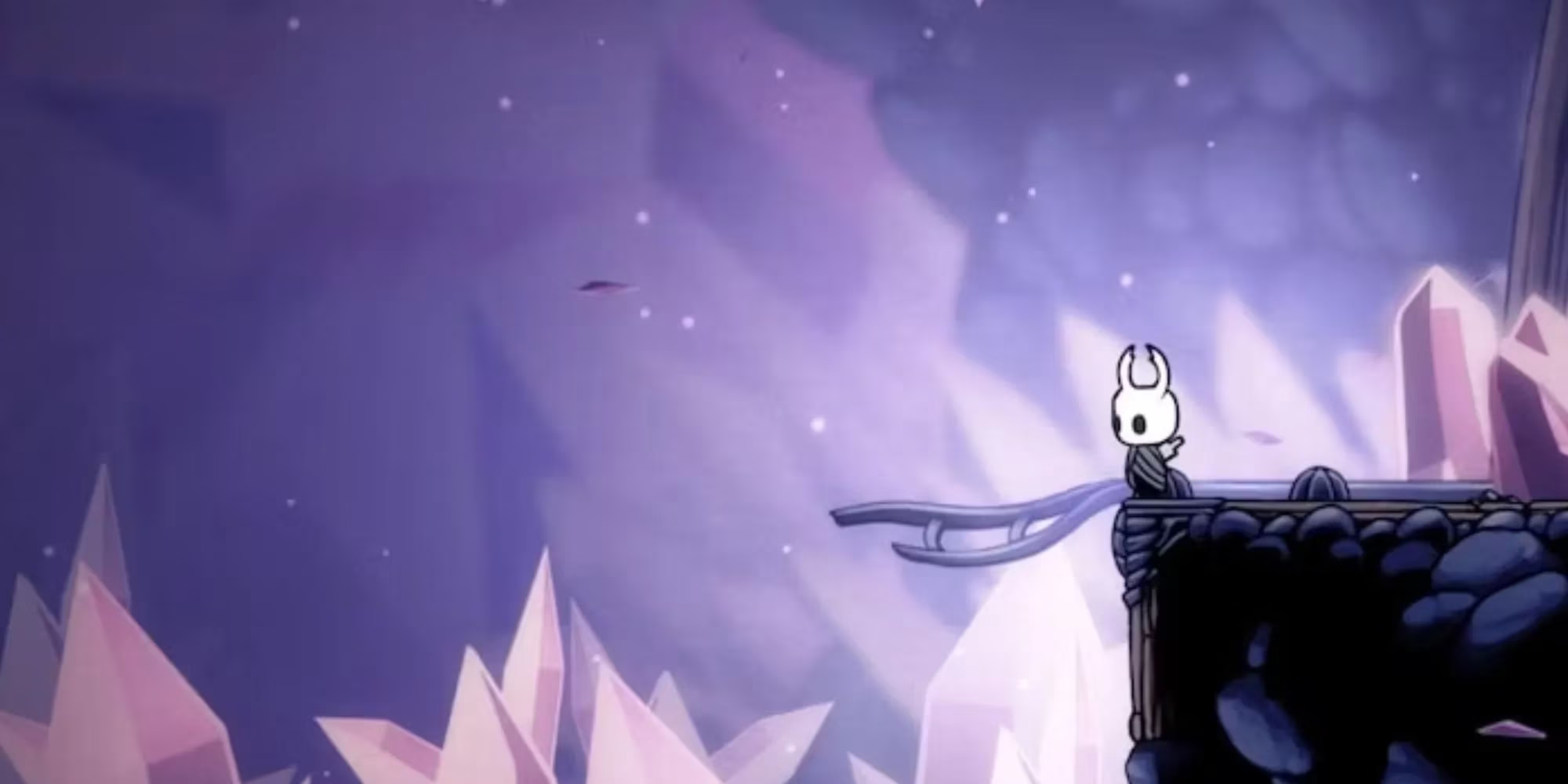
So, what went wrong? The critical turning point wasn't a single catastrophic event but a slow, grinding shift in the competitive landscape. The very success of the Switch inspired its most formidable rival, and eventually, many players found themselves looking elsewhere for their portable needs. The question became: why buy a multiplatform indie on the Switch anymore? The answer, for an increasing number of adopters, was painfully simple.
The first and most merciless reason is the economics of the eShop. Why would anyone pay full price for Dave the Diver on a Nintendo platform when it is likely discounted on a competitor? Steam is notorious for its deep, seasonal sales where fantastic games can be acquired for a fraction of their launch price. Even when third-party titles on the Switch finally receive a discount, the reduction rarely matches the aggressive pricing seen on other platforms. For a savvy gaming enthusiast in 2026, the Switch has inadvertently become the most expensive way to play digitally.
However, the deeper wound comes from direct competition in hardware. The existence of a certain handheld PC has systematically dismantled the Switch’s unique selling proposition. A gamer can now play Dredge or The Cosmic Wheel Sisterhood on a desktop PC at home, then immediately pick up that exact same handheld device and continue the journey on the go with perfect cloud saves syncing progress. The utility is seamless, and the friction is minimal. Why fiddle with the cumbersome process of extracting a screenshot from a Switch when a competitor’s ecosystem integrates it into a standard, accessible folder structure? The core promise of the Switch—versatile, hybrid play—was not just replicated; it was improved. The hybrid console masterfully executed the Switch’s vision better than the Switch itself managed to.
Compounding this hardware issue is a perceived lull in the Nintendo magic. The exclusives that once justified the console’s cost entirely have stumbled. For every enthusiast who cherished Breath of the Wild, a substantial number simply fell off the massive expanse of Tears of the Kingdom. The annual Pokemon installments, once guaranteed system-sellers, have slid into a cycle of technical mediocrity that disappoints more often than it delights. A blast of nostalgia from a stellar 2D Mario title might temporarily rekindle the flame, but that spark is often fleeting. The dust returns the moment the credits roll, as the player inevitably returns to Steam to finish a different, cheaper adventure.
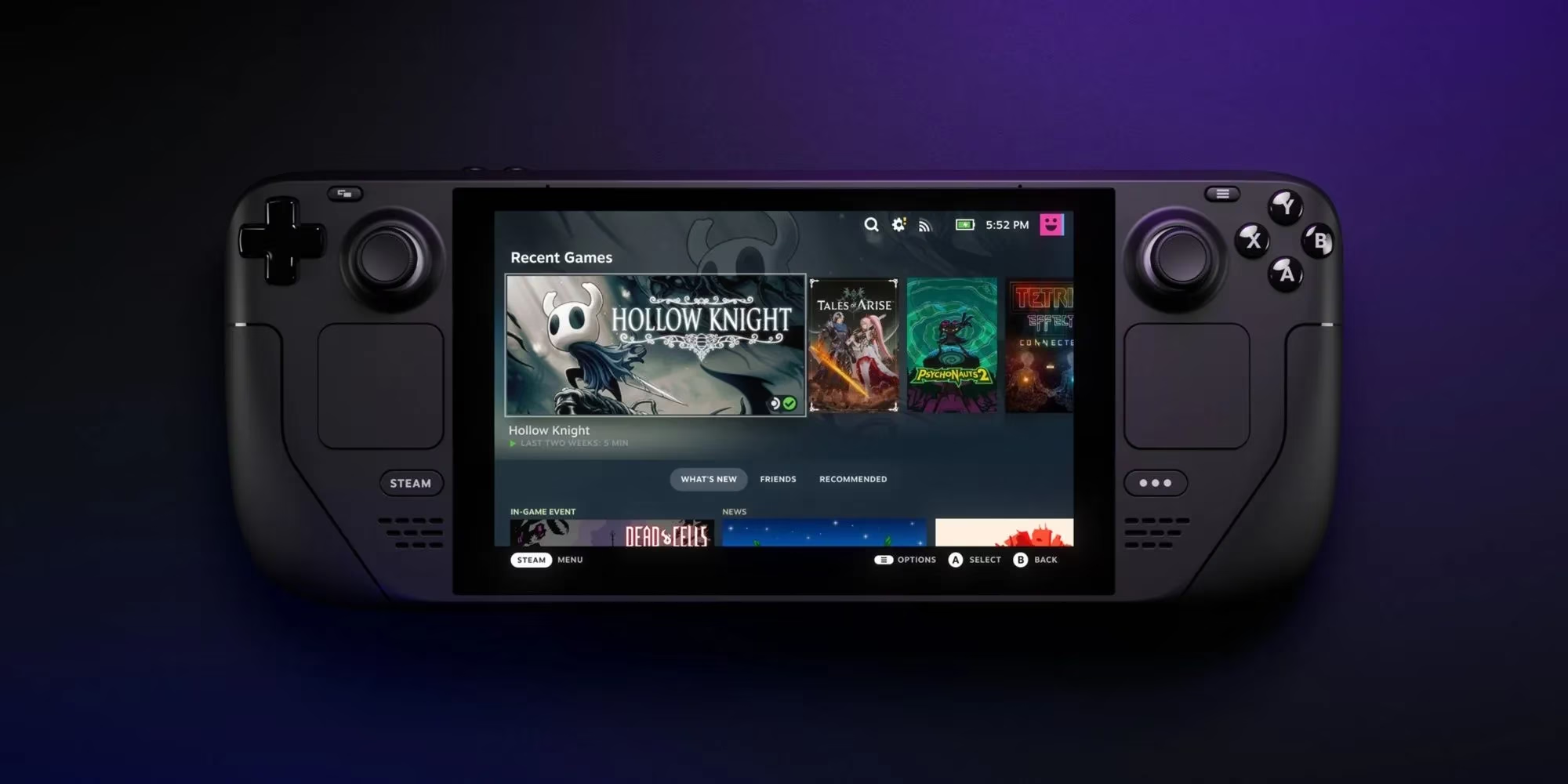
Nintendo has always relied heavily on the legendary status of its first-party games to sell millions of units. In the past, however, this was backed up by a huge roster of “Switch-perfect” third-party and indie titles that filled the gaps. Now, the industry has caught up. The portable space is no longer a blue ocean commanded by a single, aging tablet from 2017. A player now has a buffet of powerful, multi-functional options to play those same perfect titles away from Nintendo’s walled garden.
To prevent this hall-of-fame console from fading into obscurity, the leadership faces a critical choice. Is the answer more aggressive pricing, a frantic scramble for more exclusives, or something far wilder? The industry is watching for a successor that pulls everyone right back into the ecosystem, a device that doesn’t just play games but redefines the rules of engagement once again. Until that moment arrives, an uncomfortable truth remains: a former champion, still capable of greatness, is left to simply gather dust.