When I ride back into the Van der Linde camp in 2026, I still feel the same strange warmth I felt the first time. There is stew bubbling over the fire, horses shifting in the dark, and the low murmur of people who have chosen to belong to one another. It looks like a family. That is exactly what makes Red Dead Redemption 2 so devastating to me now. The closer I look, the more I see that this family was built out of broken ones.
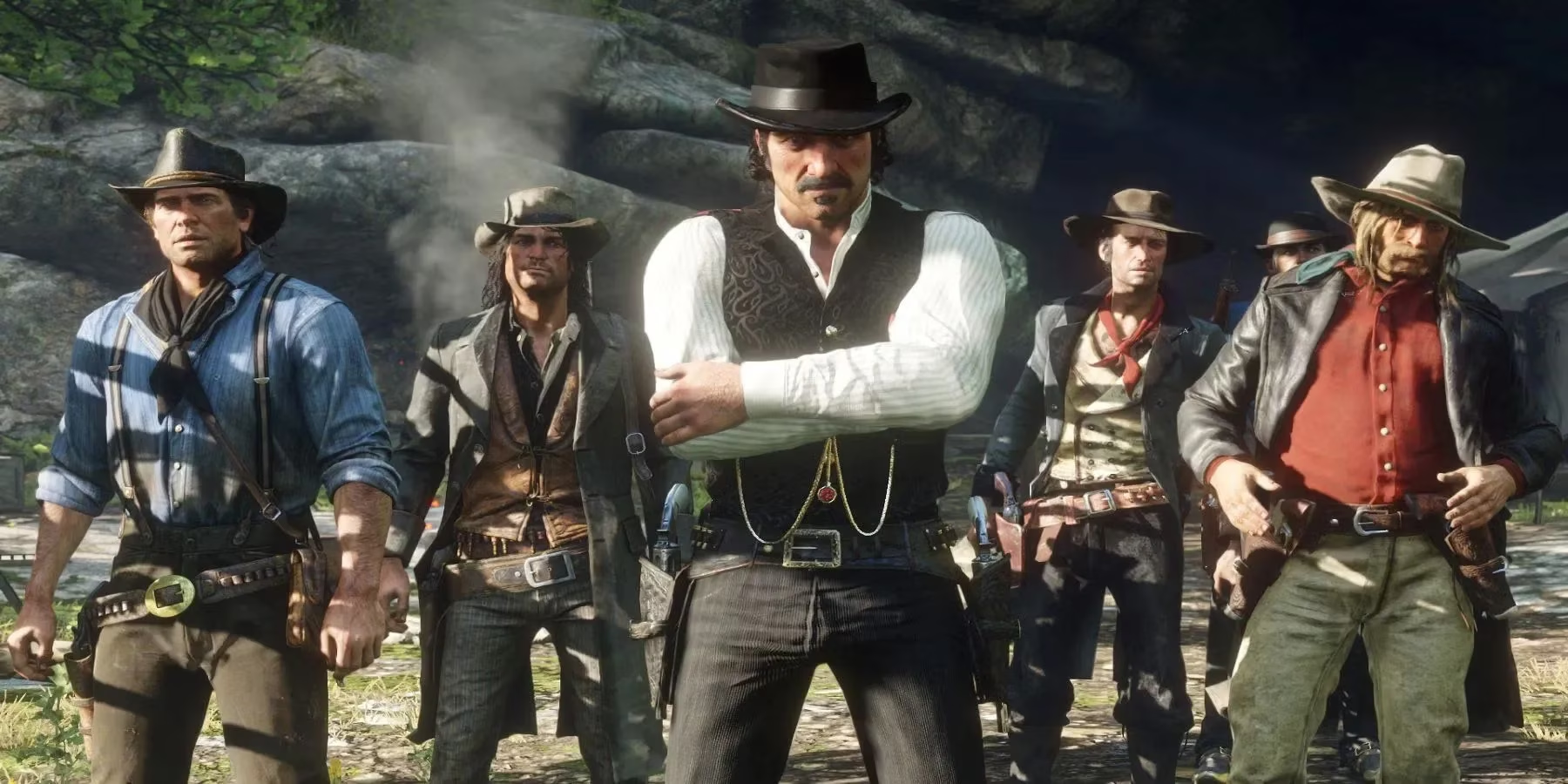
I did not fully appreciate the pattern during my first playthrough. I was too busy chasing trains, hunting deer, and trying to keep Arthur alive. On later runs, though, the camp conversations started to sound less like background chatter and more like a confession. So many members of the gang arrived young, vulnerable, and alone. They had nowhere else to turn. Dutch found them before the world could finish crushing them, and in return they gave him loyalty, labor, and a kind of desperate love.
A Camp Full of Orphans
Arthur Morgan and John Marston are the clearest examples. Both men lost their parents young, and both carry that loss in different ways. Arthur hides it under duty and a rough voice. John hides it under restlessness and the need to prove himself. When I hear them talk, I do not hear two outlaws trading insults. I hear two brothers who never had a stable home and are still trying to figure out what one looks like.
Dutch is no different. He lost his father during the American Civil War and left home at fifteen. That detail reframes everything for me. Dutch does not just lead a gang. He builds a replacement family around himself, and then he casts himself as the father. He calls Arthur his son. John calls Arthur his brother. The language is not accidental. It is the language of people trying to repair something that was taken from them.
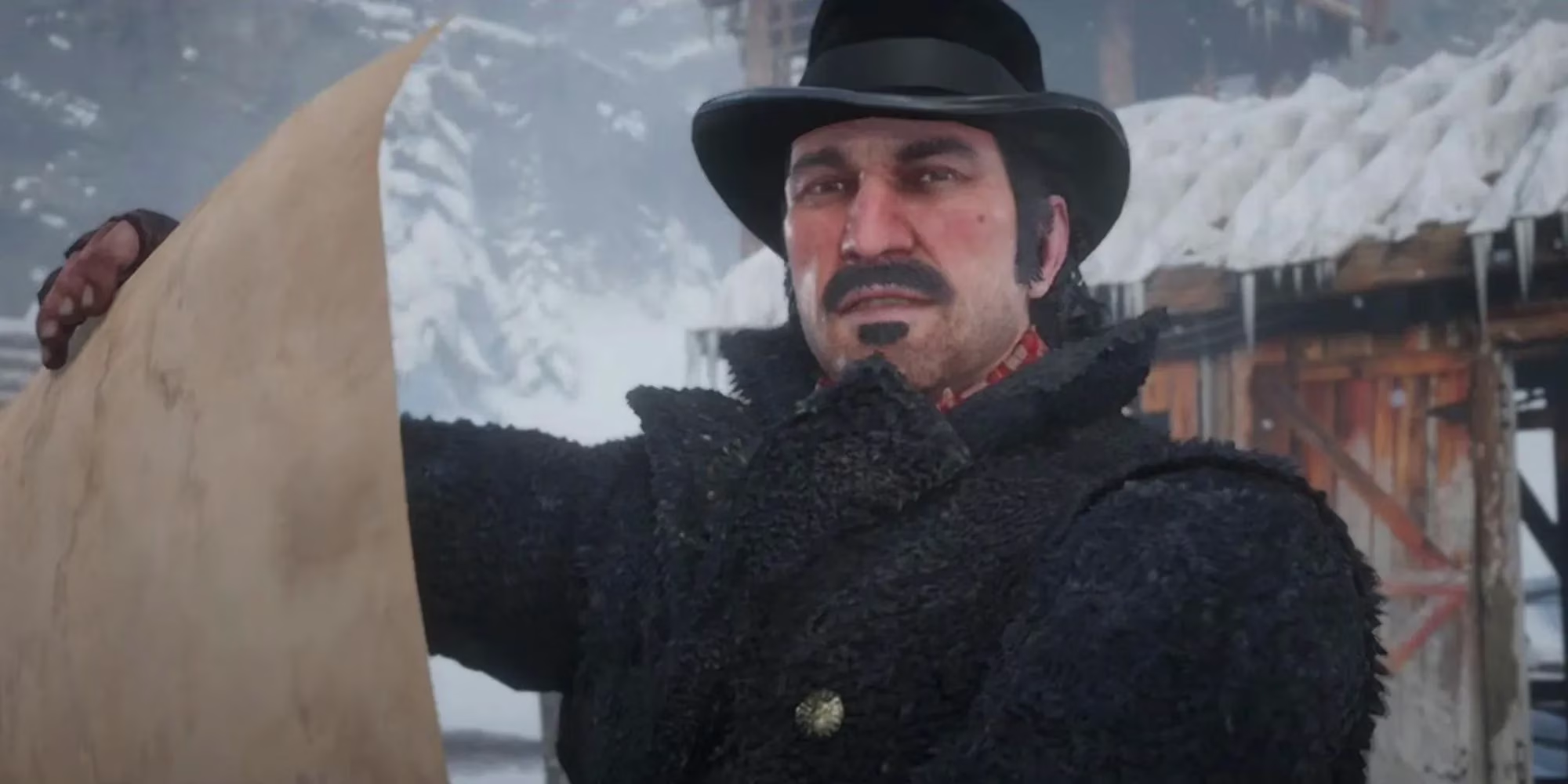
Many of these characters came from poor socio-economic backgrounds, and that context matters. Poverty, violence, and neglect do not excuse the crimes they commit, but they explain why the gang feels so necessary. For a young person with no family support network, a camp full of armed outlaws can look like shelter. For a child who never knew a parent, Dutch can look like salvation.
The Family That Fuels the Fall
What I find most tragic is that the gang's closeness does not save it. It becomes fuel for its collapse. Longstanding members consider each other family, and that bond produces real compassion. It also produces immense psychological baggage. When tensions rise, old wounds surface. Members become aggravated with one another over money, loyalty, and survival, but underneath it all I sense a misguided hatred for the original broken homes that failed them.
This is where the story becomes almost inevitable to me. Dutch's patriarchal role is the center of the camp's emotional life. When he is steady, the family holds. When he falters, the whole structure cracks. His turn toward Micah Bell, a man many characters would never accept as a true family member, is not just a plot twist. It is the moment the replacement family proves it was always vulnerable to the same failures as the biological families it tried to replace.
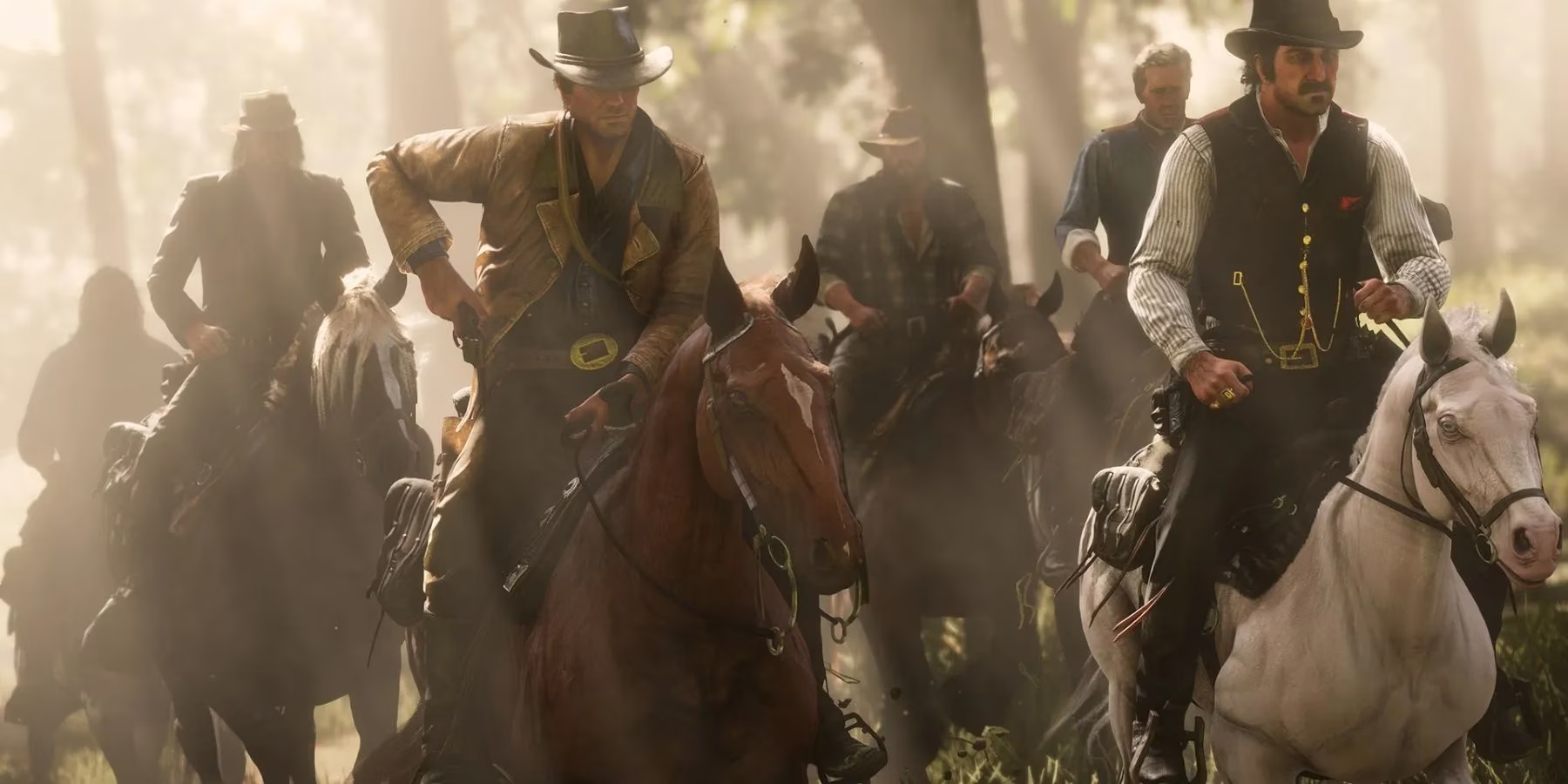
I used to think the Van der Linde gang collapsed because of Pinkertons, bad robberies, and Dutch's ego. I still think those things matter. But the deeper cause is family. The gang was a shelter built by people who had never learned how to live in a stable home. They loved each other, and they repeated the same patterns they were trying to escape.
That is why Red Dead Redemption 2 still hits me so hard in 2026. It is not only a western. It is a story about orphans and outcasts trying to make a family out of campfires, horses, and shared danger. The tragedy is that they succeed just enough to feel safe, and then they lose it all anyway. 🐎💔