In 2026, I still think of Red Dead Redemption 2 as a campfire story that refuses to go out. I first rode into the Van der Linde gang's world expecting a prequel about outlaws and trains; what I found was a study in dependency, the kind that makes a group feel immortal until the person holding it together is gone. The 2018 game is a collaborative affair, not a lone-gunslinger power fantasy. You meet the major players immediately and follow Dutch's ever-elusive 'plan' across New Hanover and beyond. The progression can feel cumbersome—long rides, slow animations, camp chores—but the story and characters make it one of the most rewarding experiences of the last decade. Even now, on PC, PS4, Xbox One, and through backward compatibility on newer consoles, it remains easy to revisit.
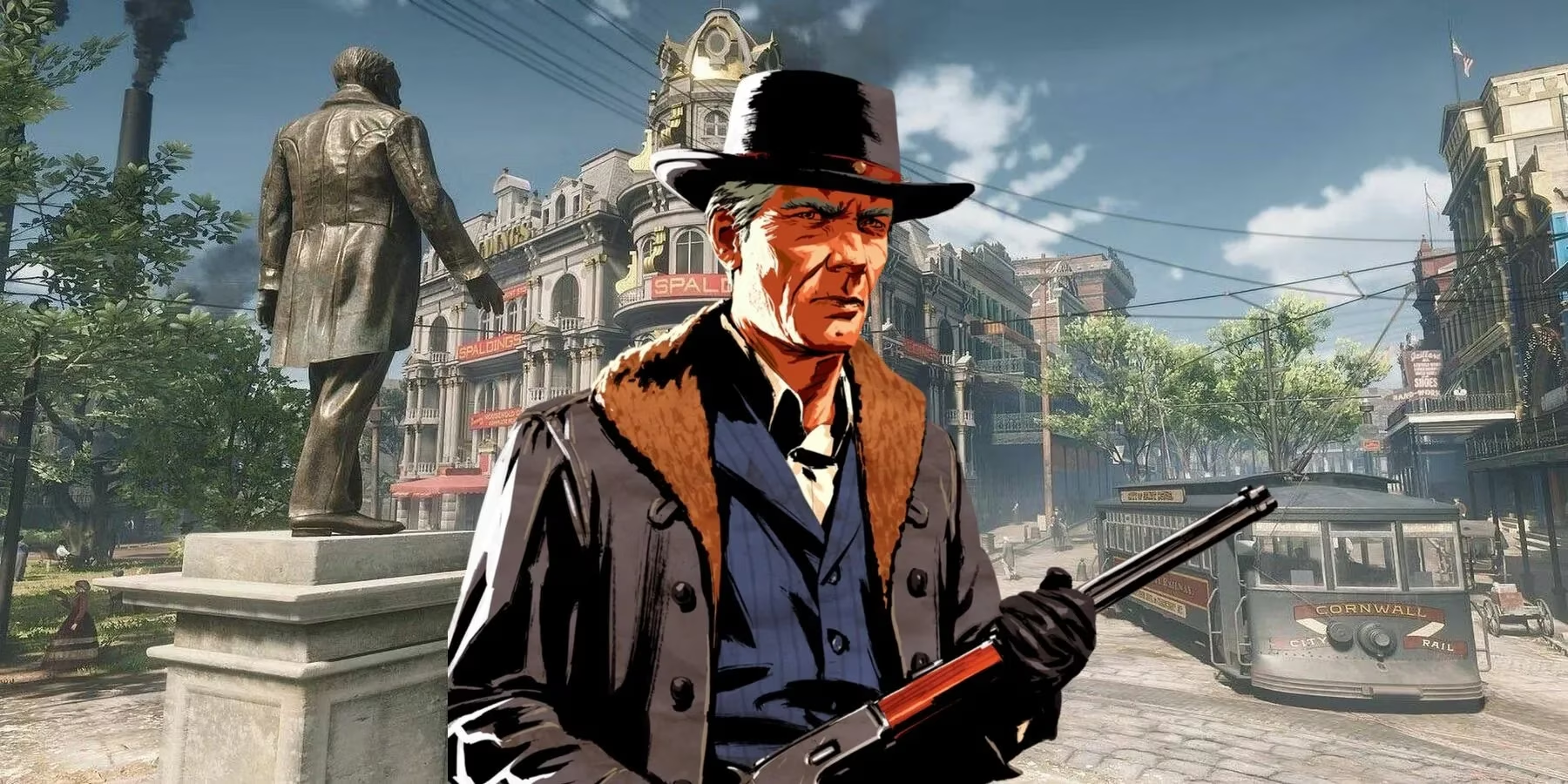
I didn't expect Hosea Matthews to become the character I mourned most. Some RDR2 figures were familiar to me from the first game—Bill, Uncle, Javier—but Arthur and Hosea were new, and they quickly earned their place in the lore. Each gang member has a distinct personality: Sadie's vengeful, venomous aura that somehow makes you root for her; Charles's wholesome decency; Dutch's magnetic ambition. Hosea is the charming, past-his-prime outlaw who seems to have mellowed with age, preferring quieter, easier ways to break the law. It was Hosea and Dutch's chance meeting that seeded the gang, bringing Arthur into the fold and growing from there. Hosea was Dutch's right-hand man and most trusted confidant, and that made him more than window dressing.
Here's the metaphor I keep returning to: Hosea was the load-bearing wall in a house everyone mistook for a tent. The gang looked flexible, movable, improvised, but he carried the weight that let the roof stay up. Dutch's confidence was a stagecoach with one wheel quietly loosening; for years, Hosea was the roadside mechanic who kept the axle from snapping. And the gang's loyalty was a deck of cards held together by a rubber band named Hosea—remove it, and every card becomes an edge.
When Andrew Milton of the Pinkerton Detective Agency guns Hosea down in the street, I lost a great character; Dutch lost a stalwart friend and, with him, his sanity. The change is subtle but sufficient: Dutch's grip on leadership relies largely on Hosea's presence. In Hosea's absence, Dutch listens too much to the manipulative Micah Bell. The Dutch at the beginning is very different from the one at the end and radically changed from the one who meets his fate in RDR1. He is ambitious, exhibiting a strong sense of leadership that makes him easy to follow into dubious schemes; that ambition turns to gullibility and outright madness later. He is noticeably more on edge and paranoid when he and Arthur arrive in Guarma, but the changes trace back to Hosea's tragic death at the heist gone wrong in Saint Denis.
I sometimes map the collapse like this:
| Force in the gang | Before Saint Denis | After Hosea's death |
|---|---|---|
| Dutch's decision-making | Confident, theatrical, still open to counsel | Paranoid, reactive, Micah-shaped |
| Gang cohesion | Quarrels contained by trust | Factions, fear, drift |
| Arthur's role | Enforcer with a conscience | A man watching his father figure curdle |
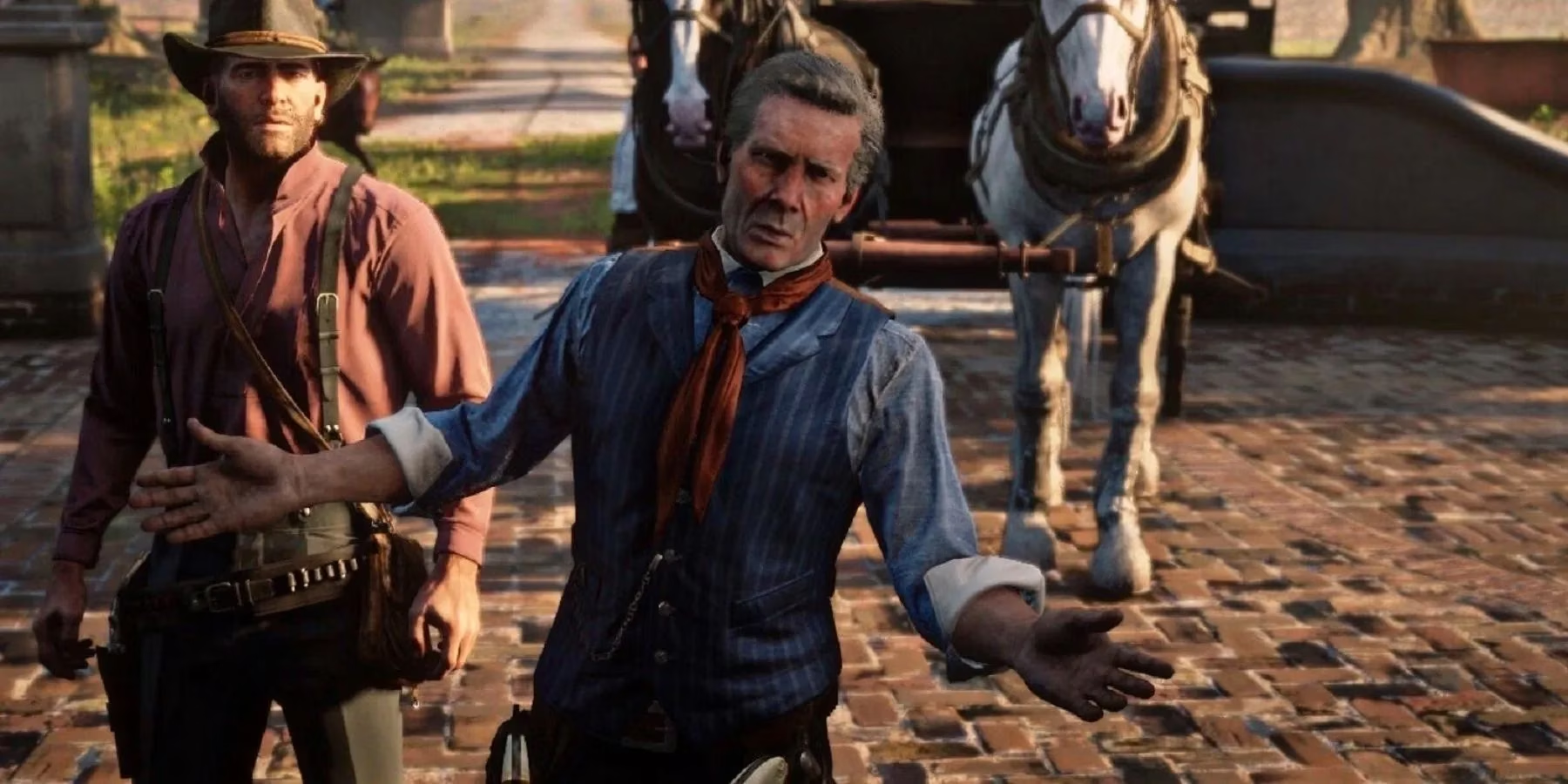
Hosea was the pivotal pin that kept the Van der Linde Gang afloat. When he is removed from the picture, everything begins to fall apart for Dutch, who spirals out of control, quickly becoming a liability for the gang and eventually a major thorn in John Marston's side during the events of 2010's Red Dead Redemption. Hosea was the glue that kept the rag-tag outfit together, though the tragic tale of the Van der Linde Gang is one of the finest ever told in gaming. In 2026, I still recommend RDR2 not because of its gunfights, but because of its quiet tragedy. The lesson lingers: gangs, families, and plans are often load-bearing people. Red Dead Redemption 2 is available now on PC, PS4, and Xbox One.