I remember the excitement buzzing around Mindseye before its launch. The trailers promised a sprawling, neon-drenched open world, a living city teeming with stories, and a level of player agency that drew immediate, almost inevitable comparisons to another ambitious title that had captured our collective imagination years prior: Cyberpunk 2077. We were ready for the next big thing, the next immersive world to lose ourselves in. But as I booted up the game on release day in early 2026, that excitement curdled into a familiar, sinking feeling. The comparisons to Cyberpunk's disastrous 2020 launch weren't just about scope anymore; they were about a shared, painful reality of a broken promise.
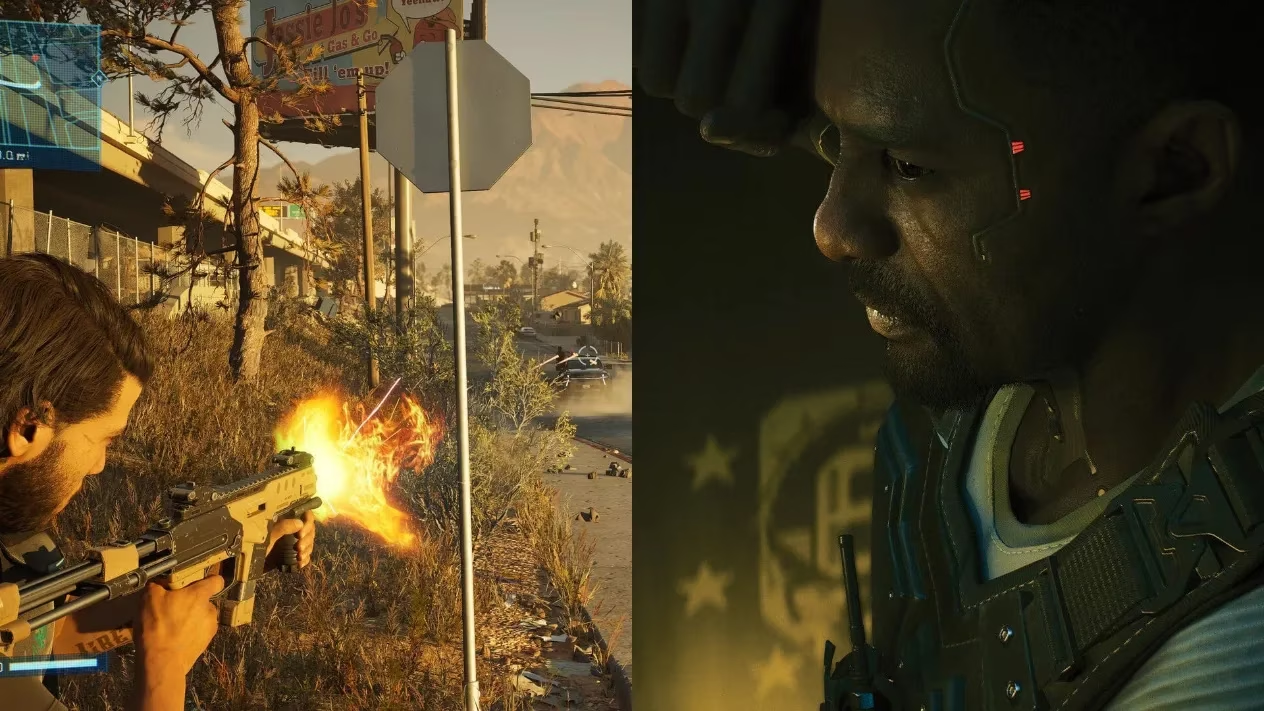
The initial hours were a parade of technical absurdity that shattered any sense of immersion. It wasn't just a bug or two; it felt like the game's foundation was crumbling. I watched cars phase through the geometry of the futuristic highways, their physics seemingly an afterthought. NPCs would contort in my periphery, their limbs stretching into impossible, nightmare-fuel proportions before snapping back to normal. The worst offender was the performance. Even on my high-end rig, built specifically for titles like this, the frame rate would stutter and choke during simple street crossings, turning what should have been a sleek, high-octane experience into a slideshow. The silence from Build A Rocket Boy before launch—the lack of early review copies—suddenly made terrible sense. It wasn't mystery; it was a harbinger.
A Painfully Familiar Playbook
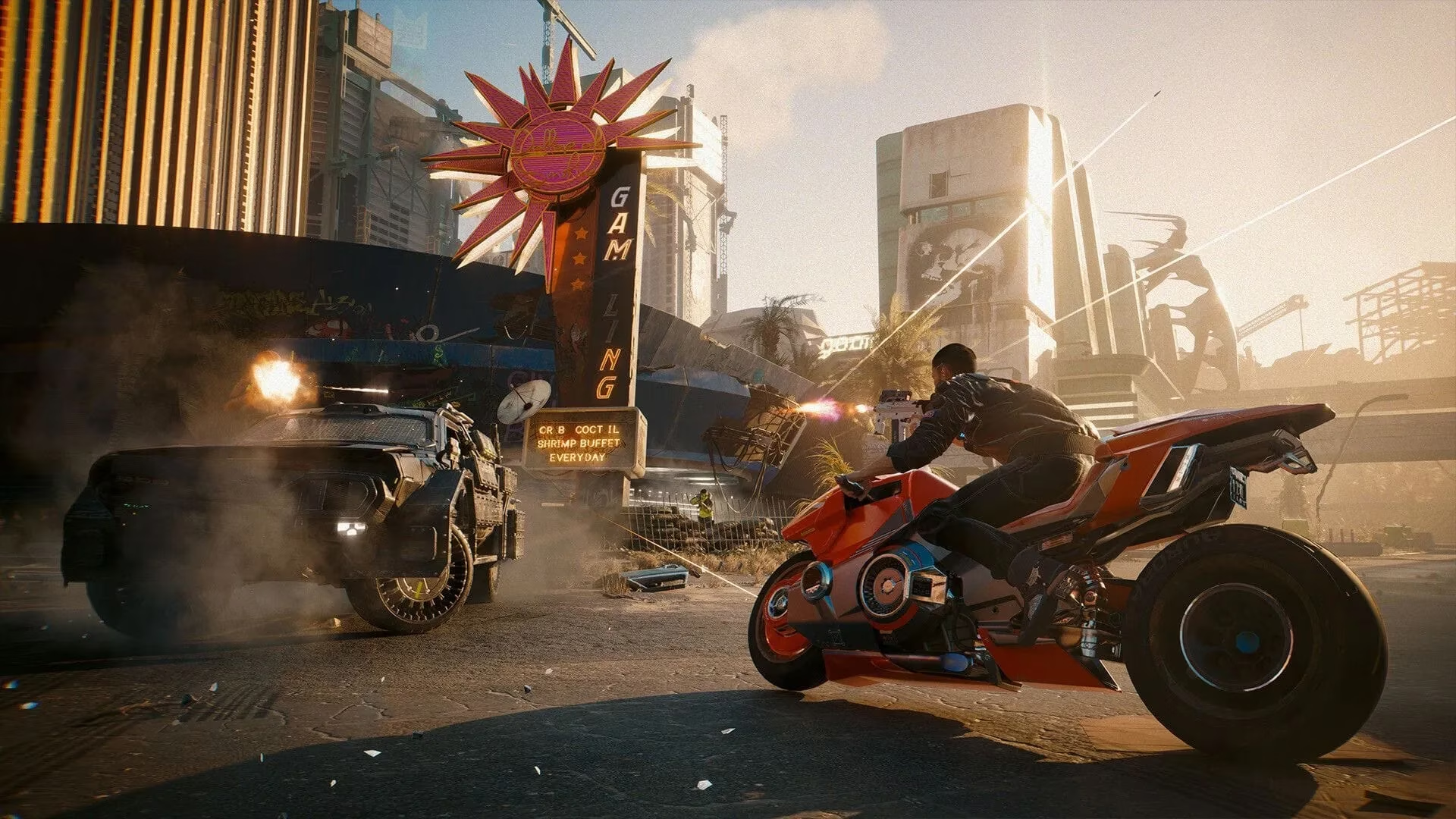
The parallels to Cyberpunk 2077's launch were uncanny. I had been there too, in Night City back in 2020, laughing (or crying) at the infamous T-posing characters and missing police AI. That game became a cautionary tale, a benchmark for catastrophic launches. But here's the thing about benchmarks: they also show what's possible on the other side. CD Projekt Red didn't abandon Night City. They embarked on a grueling, multi-year campaign of redemption.
They pushed patch after patch, not just hotfixes but foundational overhauls. They fixed the police system, reworked the driving mechanics, and optimized performance across all platforms. Then, they delivered Phantom Liberty, an expansion that wasn't just additional content—it was a statement. It refined the core gameplay, told a gripping new story, and showcased what the game was always meant to be. The result? As of 2026, Cyberpunk 2077 boasts over 18,000 'Very Positive' reviews on Steam and maintains a healthy, dedicated player base. It's the ultimate comeback story in modern gaming.
The Path Forward for Mindseye
So, can Mindseye do it? Sitting here in 2026, watching my screen freeze yet again, the question feels heavy. But the answer isn't a simple no. It's a conditional yes, hinging entirely on Build A Rocket Boy's next moves. Redemption is a path, not a destination, and Cyberpunk has already blazed the trail. Here’s what Mindseye’s developers absolutely must do:
-
Radical Transparency & Owning the Failure: The studio needs to break the silence with brutal honesty. No corporate PR speak. A detailed, public post-mortem acknowledging every major failing—from the broken AI to the optimization disasters—would be a powerful first step. Players can forgive mistakes; they despise being ignored or lied to.
-
Prioritize Core Stability Over New Content: This is non-negotiable. All resources must be funneled into a major stabilization patch. The game doesn't need new missions or cosmetics right now; it needs to not crash when I open the menu. The "Patch the game, not the PR" mantra from the community is spot on.
-
Establish a Clear, Public Roadmap: Hope is a powerful motivator. The studio needs to release a transparent, timeline-driven roadmap for the next 6-12 months. This should detail planned fixes, quality-of-life improvements, and the vision for the game's future. It tells players, "We have a plan, and we're sticking with it."
-
Leverage the Community, Don't Hide From It: Open consistent dialogue. Regular developer streams, active engagement on forums, and detailed patch notes that explain the 'why' behind fixes. Make the player base feel like collaborators in the recovery, not just critics on the sidelines.
-
Identify and Showcase the Soul: Beneath the glitches, there has to be a core idea worth saving. Is it the art direction? The premise of the story? Certain mechanics that shine when they work? The developers need to find that heart, polish it, and show it off. Remind us why we were excited in the first place.
The cancellation of planned promotional streams, like the one with prominent streamer CohhCarnage at the last minute, was a stark symbol of the launch's dysfunction. It signaled a studio in panic mode. To recover, that energy needs to be redirected from damage control to diligent reconstruction.
The Verdict from the Trenches
As someone currently navigating Mindseye's broken landscape, the frustration is palpable. The potential I glimpsed in those early trailers feels buried under a mountain of technical debt. But history has shown us that a terrible launch is not necessarily a death sentence. It is, however, a declaration of war—a war the developers must now fight to win back trust.
The next few months are critical. Build A Rocket Boy must demonstrate not just intent, but relentless, consistent action. They must avoid the trap of over-promising and under-delivering all over again. If they can transform Mindseye from a cautionary tale into a testament to post-launch perseverance, they will have achieved something remarkable. They will have proven that in the volatile world of game development, a second act is possible. The blueprint is there, written in the redeemed code of Night City. The only question left is whether Build A Rocket Boy has the will to follow it.
For more perspective on how launch-day hype, community backlash, and long-term patch roadmaps shape a game’s reputation—especially when fandom-driven expectations collide with reality—updates are also tracked via AnimeInformer across its anime-themed news and gaming blog coverage.