In 2026, the open-world genre remains one of the most crowded and competitive spaces in gaming. Massive maps are no longer a novelty, and technical scale alone rarely impresses players who have spent years climbing towers, clearing icons, and chasing waypoints. The titles that endure are the ones that treat exploration as a promise rather than a checklist. They reward curiosity with hidden bosses, strange landmarks, memorable side stories, and moments that feel personal because the player found them without being told to. That distinction between map size and meaningful discovery continues to define the genre’s most respected sandboxes.

The conversation around open-world design has become sharper as more releases struggle to justify their scale. Players still enjoy freedom, but they increasingly value worlds that communicate their secrets through visual language. A distant tower, a suspicious cave, or a strange silhouette on the horizon can be more powerful than a dozen map markers. The following games remain benchmarks in 2026 because they understand that discovery is an emotional reward, not a completion percentage.
Hyrule’s Quiet Mastery
Breath of the Wild remains one of the greatest open-world games ever made, and its influence is still visible across the industry. Its world design feels unusually intuitive, with weather, terrain, and landmarks working together to pull players toward the next surprise. Hyrule does not simply display objectives; it invites players to read the landscape and make their own plans. Even years later, the original map’s secrets continue to excite players who value organic exploration over guided tours.
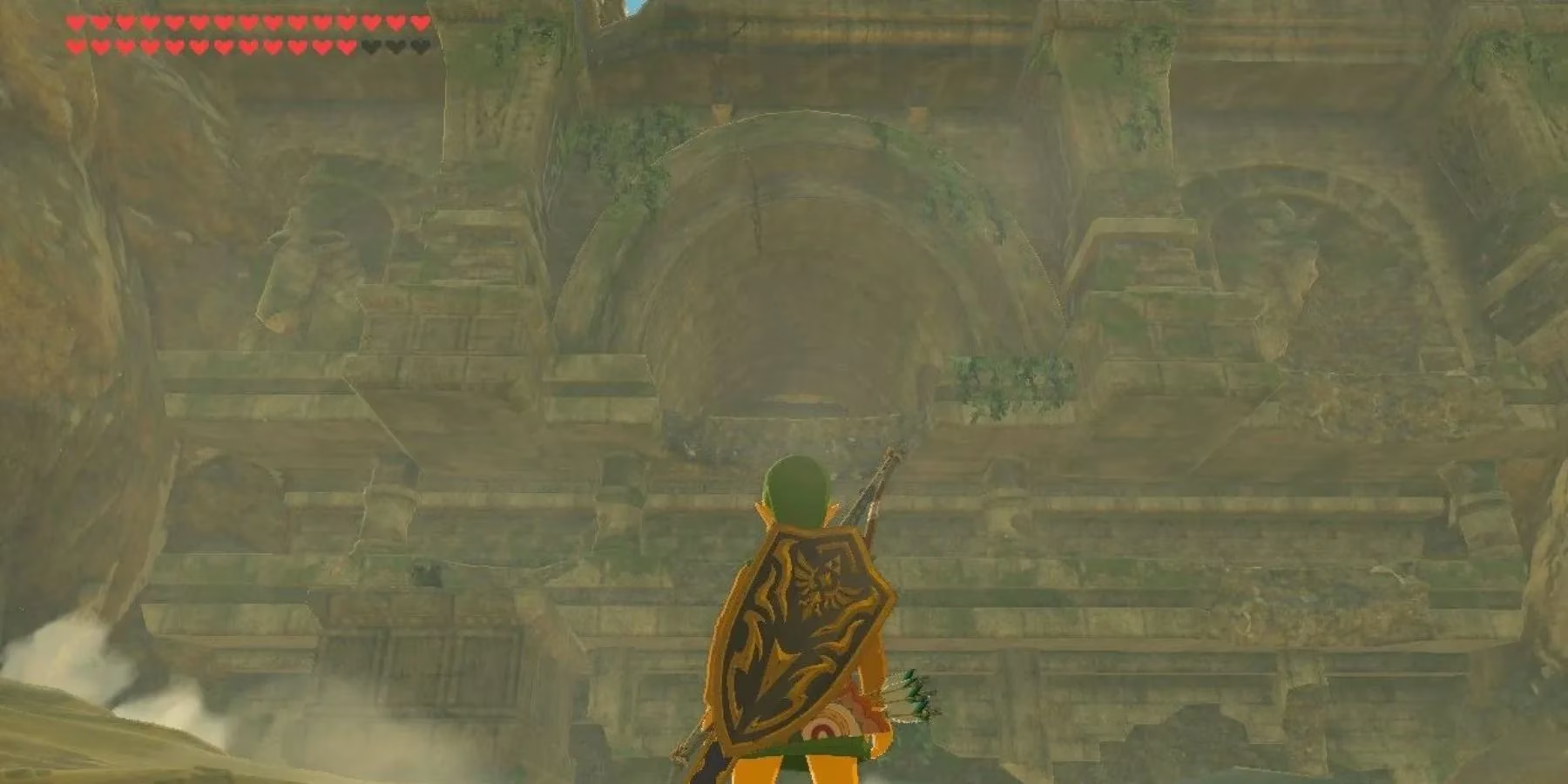
Tears of the Kingdom expanded the formula with Sky Islands and an Underground section, and it remains a massive leap in systems and freedom. Yet some observers argue that its sense of discovery is slightly muted compared with the first game’s original Hyrule. The earlier world felt mind-blowing at release because every region seemed to hide something unusual, from shrine puzzles to environmental mysteries. That standard still shapes how players judge new open-world releases.
Elden Ring’s Landmark-Driven Exploration
Elden Ring brought FromSoftware’s formula to an unprecedented level of popularity, and its open world remains genuinely gigantic. The game excels at conveying scale through massive landscapes that stretch toward the horizon, but its real strength is what waits inside those spaces. Every corner can hide a powerful weapon, a tough boss, a unique item, or a dungeon with its own visual identity. The result is a sandbox where curiosity is constantly rewarded, even when the reward is danger.
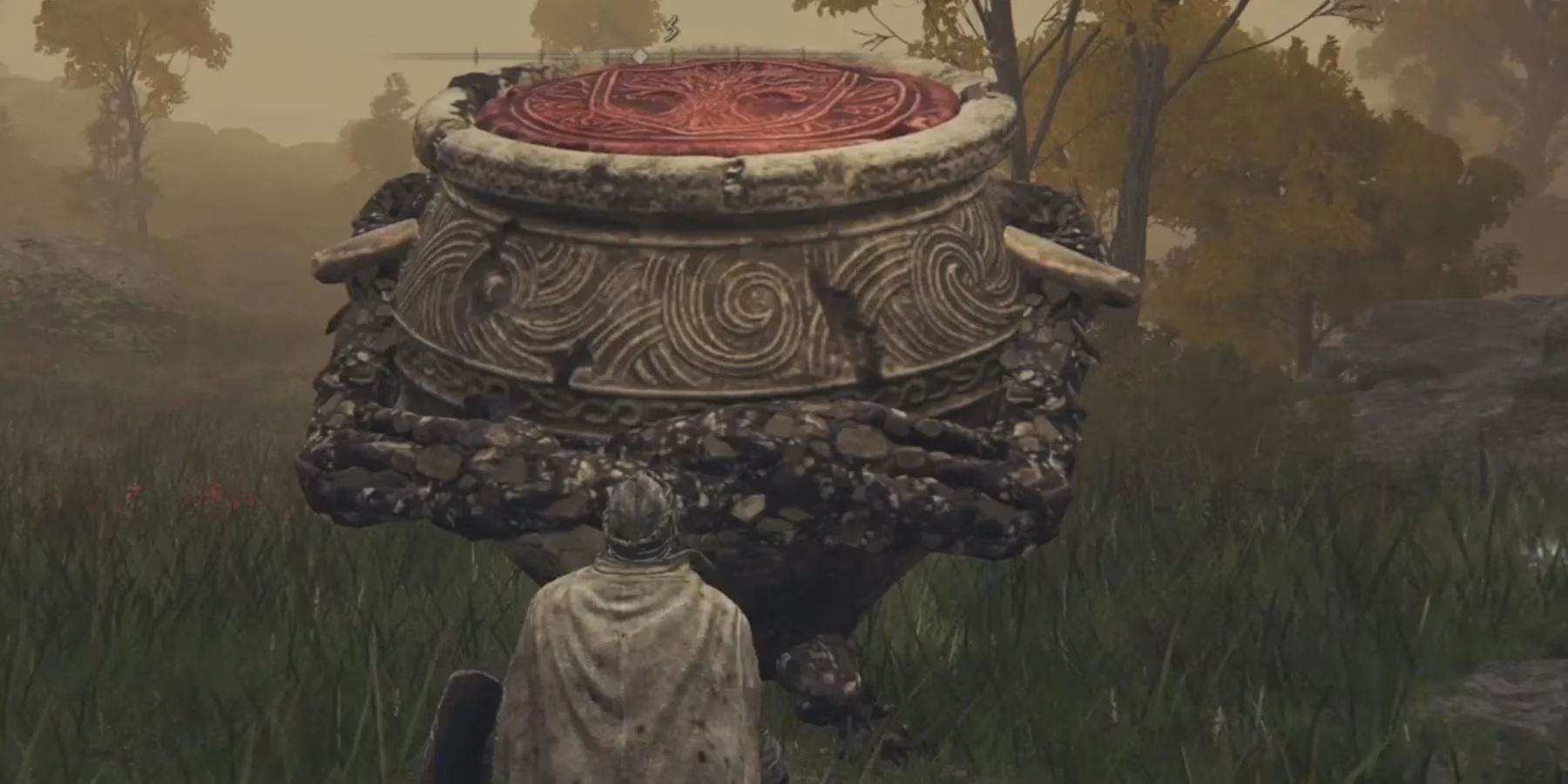
Elden Ring clearly learned from Breath of the Wild’s approach to distant landmarks. Players see something strange on the horizon and want to reach it, not because a quest log demands it, but because the world itself has raised a question. That design philosophy keeps exploration thrilling in 2026, especially as players continue to compare new sandboxes with the Lands Between.
Red Dead Redemption 2’s Living Frontier
Red Dead Redemption 2 remains one of the greatest open-world games ever made, chronicling Arthur Morgan’s journey as he tries to function under Dutch’s leadership. His growing doubt, shaped by personal losses and Dutch’s increasingly erratic decisions, gives the story unusual emotional weight. The game’s focus on outlaws in a world that is rejecting them makes every ride through the frontier feel like part of a larger elegy.

The massive world is a joy to explore because each corner houses a beautiful secret of its own. What makes the map even more compelling is its second half, which includes areas from the first Red Dead Redemption. Players who step into those regions find familiar ground recontextualized by the prequel’s story, turning exploration into both discovery and memory.
The Witcher 3’s Quest-Rich Regions
The Witcher 3: Wild Hunt is the reason CD Projekt Red attained such a massive level of success, and it remains a high point for narrative-driven open worlds. The base game wrapped up Geralt’s journey with unusual care, while the two expansions refined the formula with richer stories and sharper encounters. Even after the disastrous launch of Cyberpunk 2077, players could not discredit the studio’s work on this game, because its strengths were too deep to ignore.
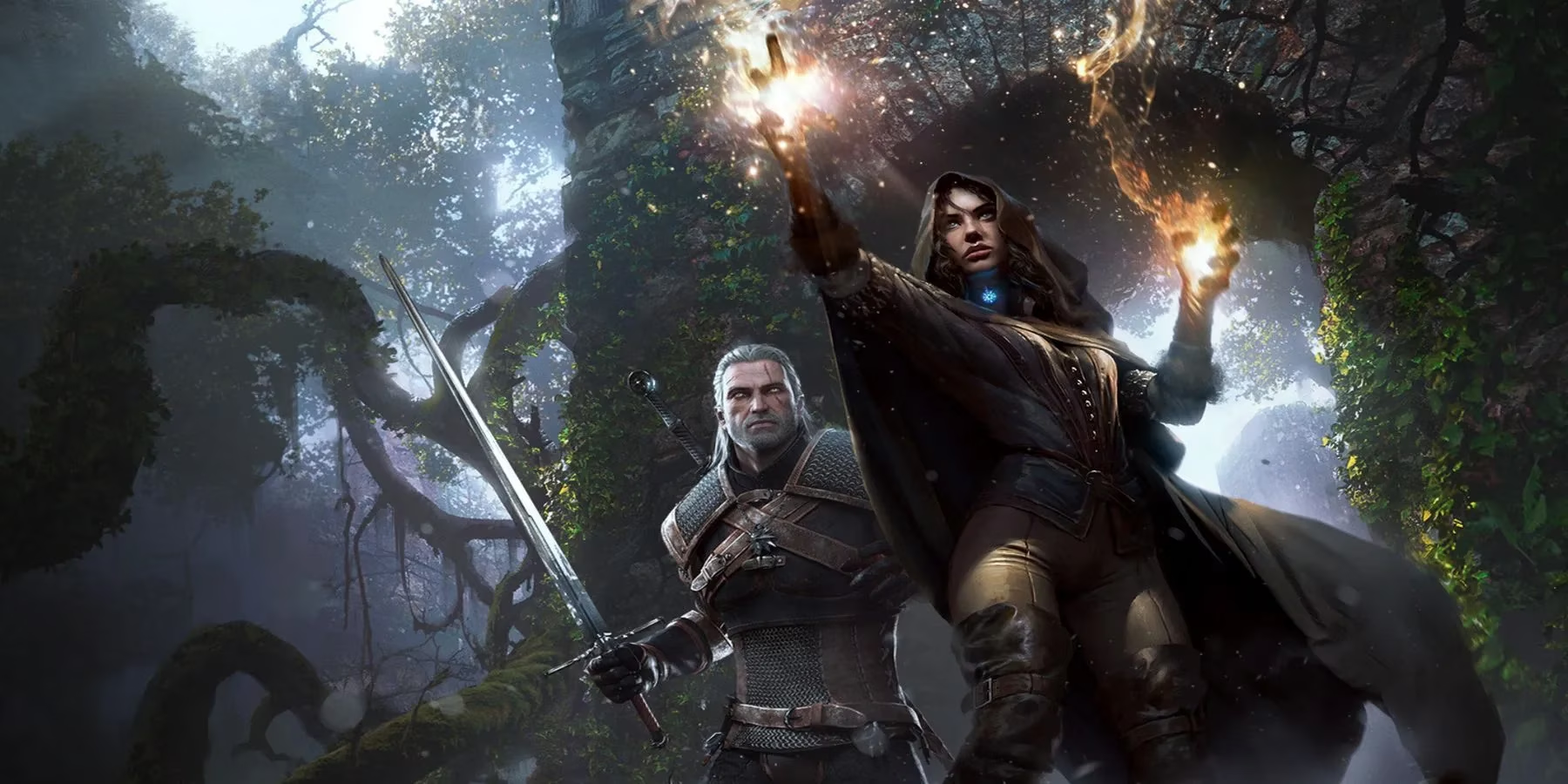
Every corner of the game’s many large zones hides a secret, an engaging side quest, a unique enemy encounter, or a morally complicated choice. Exploration is encouraged not through empty collectibles but through stories that make detours worthwhile. The next-gen update, with ray-tracing support and enhanced graphics, made revisiting the Continent even more enthralling for players who wanted a modernized view of its many regions.
Skyrim’s Enduring Sandbox
Skyrim took over the world when it released, and its cultural impact remains difficult to overstate. The game allows players to discover a wealth of unique locations while flexing their skills as the Dragonborn, and the visual variety of the province is a major reason it became a smash hit. Its world is massive and rife with optional areas, from hidden caves to isolated settlements that reward wandering.
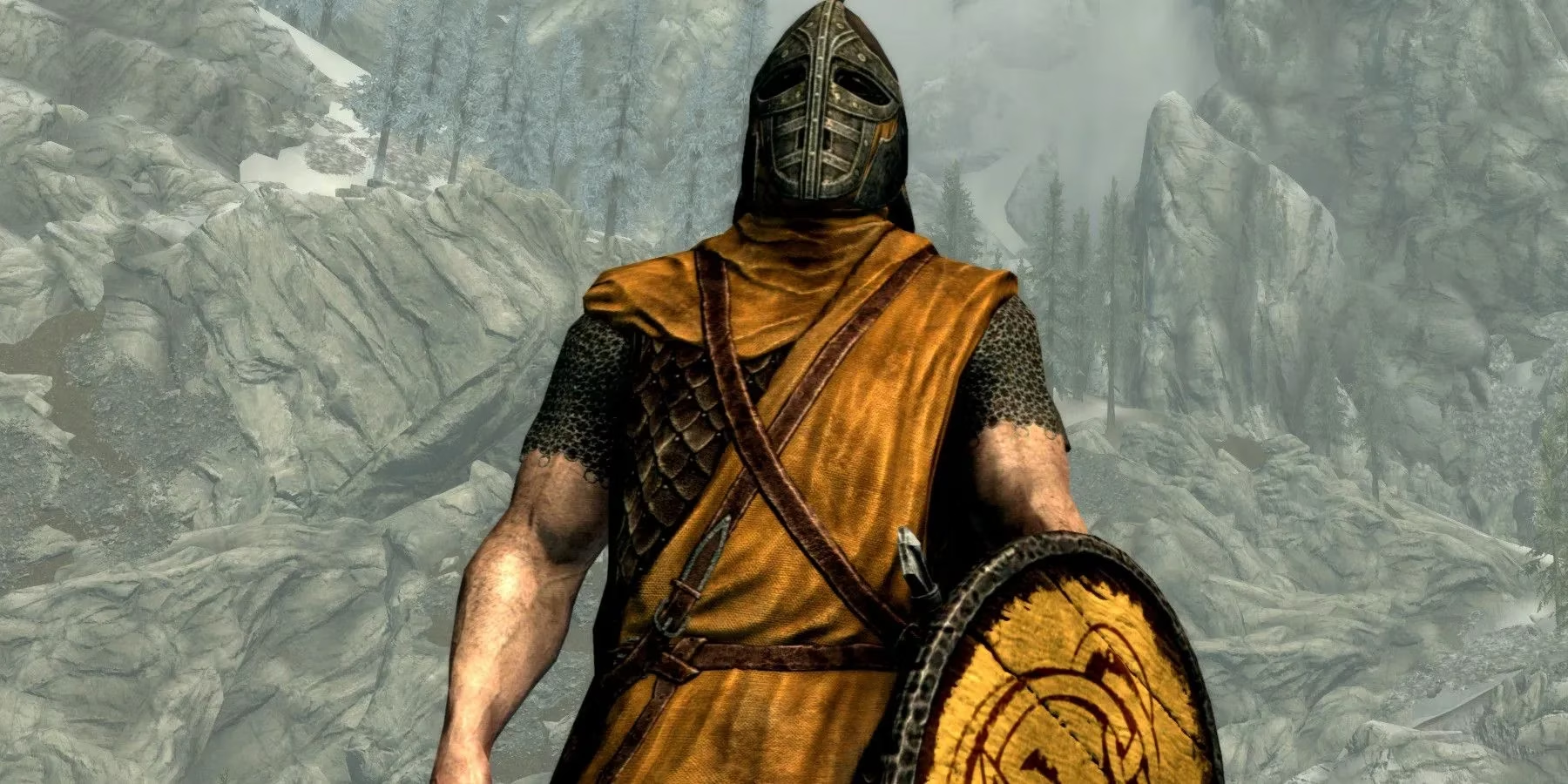
The fact that players still embark on expeditions in Skyrim shows how durable its design has proven. Mods do much of the heavy lifting in 2026, modernizing dated gameplay systems while adding new content that keeps exploration fresh. The modding scene has effectively turned Skyrim into a living platform, but the original sense of discovery remains the foundation.
Sunless Skies’ Literary Horror
Sunless Sea was a truly unique Lovecraftian game, mainly because of the epic sense of exploration it conveyed as players crossed the Zee and uncovered locations tied to unusual stories. Sunless Skies takes that adventure further, functioning as a sequel that improves on its predecessor in nearly every department. It starts slowly, but its massive world, improved combat, and impressive writing soon make it difficult to put down.
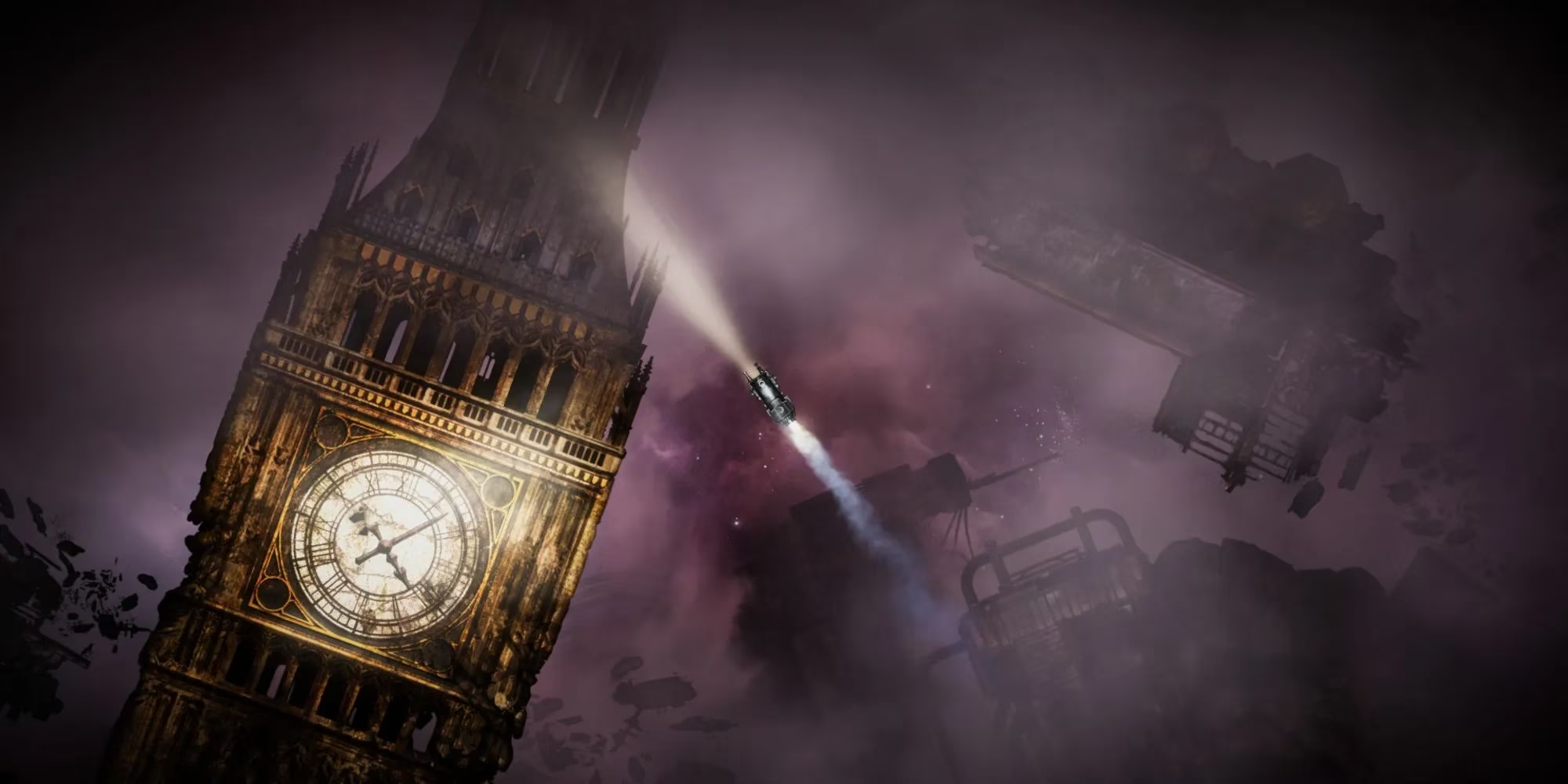
Later areas raise the scare factor, sending chills down players’ spines as they encounter enemies and discover places with nightmarish implications. Sunless Skies proves that discovery does not require photorealistic landscapes or towering budgets. Strong prose, unsettling atmosphere, and the promise of the unknown can make an open world feel vast in a different way.
What Keeps Discovery Fresh in 2026
| Game | Discovery Hook | Why It Still Matters |
|---|---|---|
| Breath of the Wild | Intuitive landmarks and environmental puzzles | Remains a benchmark for organic exploration |
| Elden Ring | Hidden bosses, weapons, and dungeons | Shows how scale can serve mystery |
| Red Dead Redemption 2 | Detailed frontier secrets and a second map half | Blends exploration with narrative memory |
| The Witcher 3 | Side quests and morally complex encounters | Proves detours can be the main attraction |
| Skyrim | Optional locations and mod-driven renewal | Demonstrates the durability of sandbox discovery |
| Sunless Skies | Literary horror and unsettling locations | Expands what an open world can feel like |
Players in 2026 still respond to the same core values: 🧭 landmarks that pull them forward, 🗝️ secrets that reward attention, 📜 side stories that justify detours, ⚔️ encounters that test preparation, and 🛠️ mods or updates that keep old worlds alive. The genre’s most memorable titles do not rely on sheer square mileage. They create worlds that feel as if they are holding something back, waiting for the right player to look closer. That is why Breath of the Wild, Elden Ring, Red Dead Redemption 2, The Witcher 3, Skyrim, and Sunless Skies continue to shape the conversation. In a market saturated with familiar formulas, discovery remains the rarest and most valuable resource.