Wandering through Night City in 2025 feels like stepping into a fever dream of chrome and neon, but one modder's ambitious vision has pushed this digital dystopia into uncanny realism territory. haskeer212's Photorealistic Reshade and Modlist transforms Cyberpunk 2077 into something that constantly makes players double-take, blurring lines between game engine and reality in ways that feel almost intrusive. The writer remembers first installing it and spending twenty minutes just watching rain droplets slide down a Delamain cab's windshield, each bead catching the holographic advertisements' glow with such precision that it triggered genuine sensory nostalgia for actual midnight city drives. This isn't just a graphical tweak—it's an architectural overhaul of Night City's soul that makes even veteran players feel like wide-eyed tourists again.
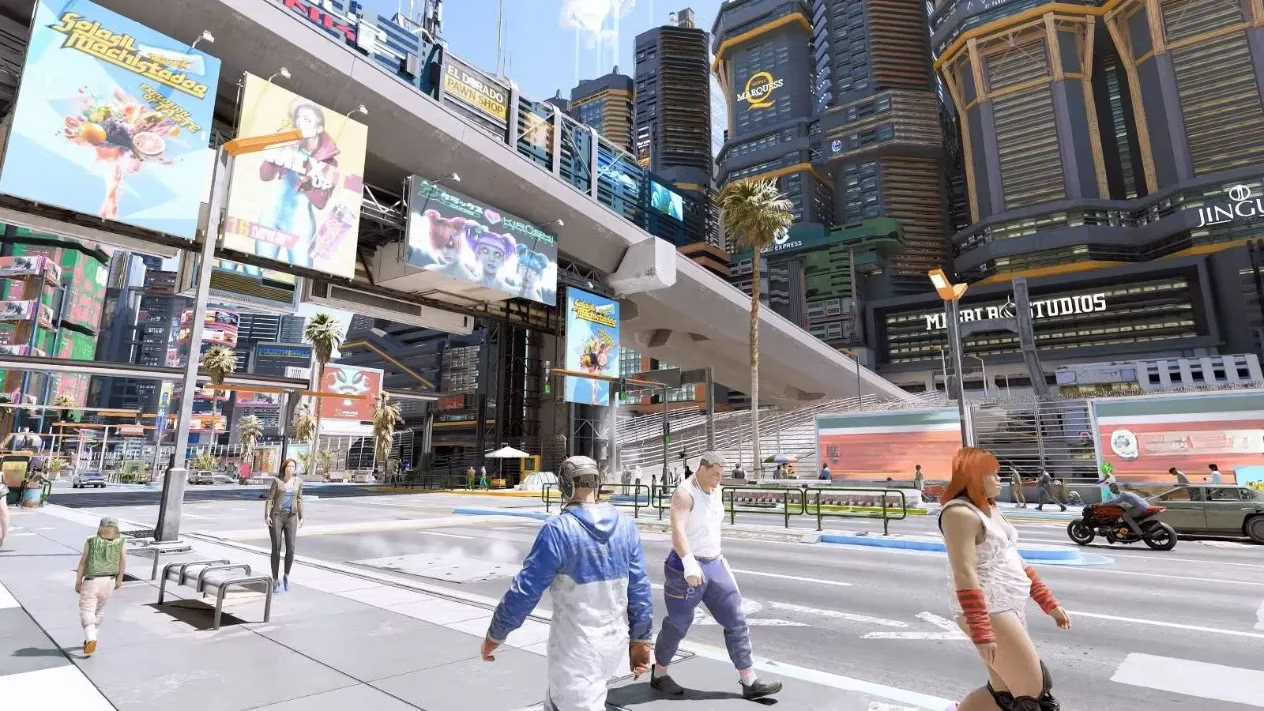
The magic lies in the obsessive attention to material physics: sunlight doesn't just illuminate but lives on surfaces, making parked cars glow like liquid metal and weapon barrels reflect alleyway grime with uncomfortable accuracy. When the writer first noticed moonlight tracing the skeletal framework of a Watson construction site, casting shadows that shifted with perfect real-world parallax, it created a momentary existential confusion about whether this qualified as entertainment or digital anthropology. The 8K upscaling extracts details players never knew existed—faded graffiti on dumpsters, stress fractures in concrete, individual fibers on vendor awnings—all while maintaining a buttery frame rate that feels like technological witchcraft.
Yet this visual feast demands sacrificial hardware offerings. Attempting to run this on anything below an RTX 4080 creates slideshow-like stutters during police chases through Japantown. The writer recalls their initial hubris using a 3070 Ti, which resulted in such violent fan noise during a Pacifica thunderstorm that nearby cats fled the room. There's also that persistent greenish haze settling over Kabuki market stalls like radioactive fog, a quirk that either feels atmospherically cyberpunk or annoyingly tinted depending on one's caffeine levels. Performance frustrations fade though when discovering how the mod reveals Night City's hidden anatomy: neighborhoods previously blurred into background noise suddenly develop distinct personalities. Charter Hill's luxury towers gain visible smog stains at their bases, while Rancho Coronado's trailer parks show sun-bleached paint variations that tell unspoken stories of economic decay.
Where the transformation feels most revolutionary is in vehicular sequences. Driving becomes hypnotic as headlights carve tunnels through volumetric rain, refracting through windshield cracks in ways that make players instinctively wipe their own glasses. The writer still remembers a particular dusk ride along the Northside oil fields where the mod's lighting algorithms painted rusted pipelines in molten gold, creating such painterly beauty that they ignored a crime mission marker for fifteen minutes. This visual clarity exposes environmental storytelling details CD Projekt Red buried too deeply—abandoned playgrounds with flickering AR projections, loot stashes hidden behind animated sewage flows, and that haunting landfill of discarded dolls near the city limits that hits differently when you can see each doll's chipped eyelashes.
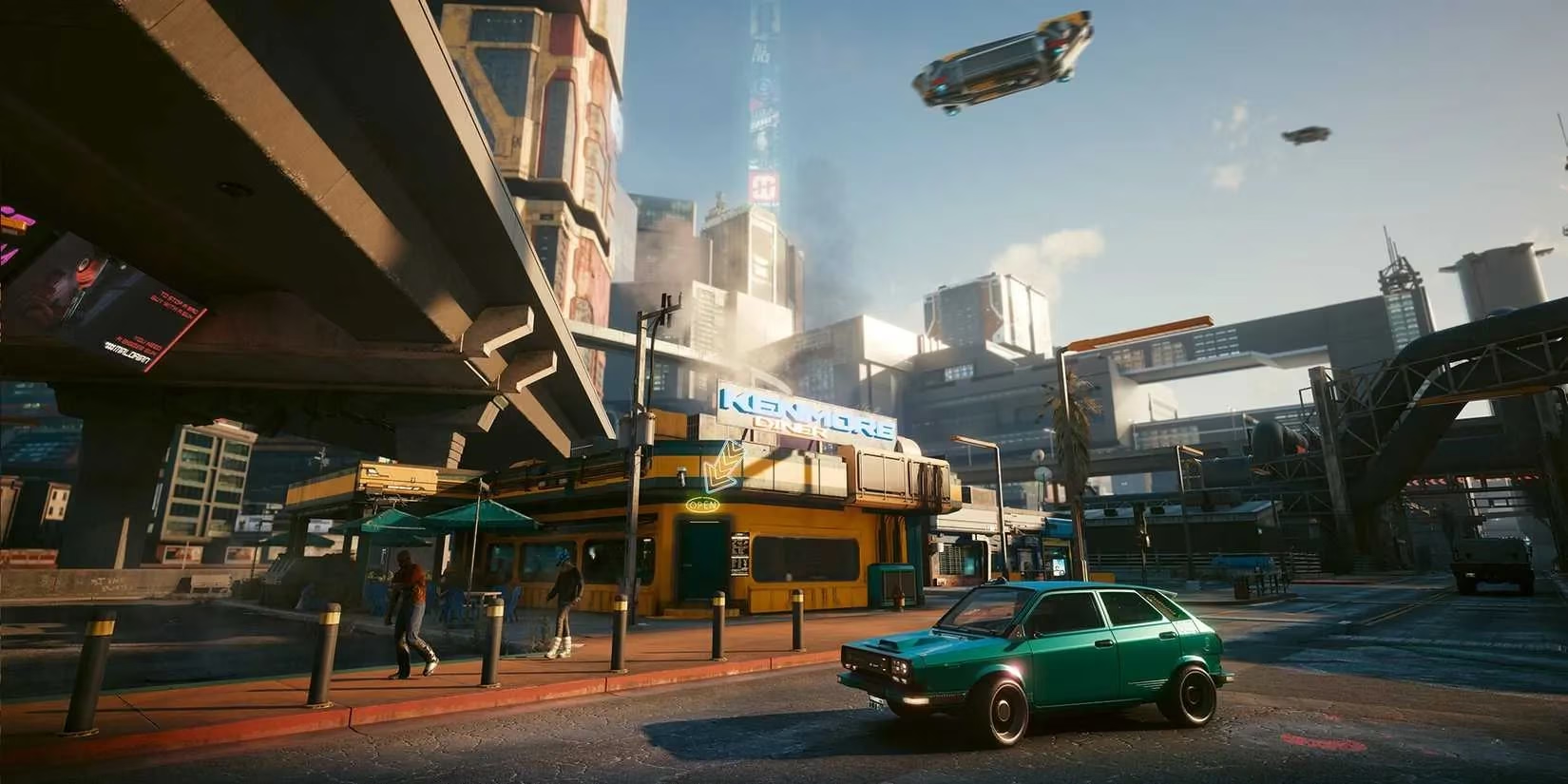
Installation remains a nerve-wracking ritual requiring ceremonial file replacements and whispered prayers to the PC gods. The writer may have sacrificed three save files learning this lesson. But successfully booting the modded version feels like unlocking Night City's ultimate edition—a parallel universe where every puddle reflects neon perfectly and each rain-slicked street becomes a moody film noir set. It makes one wonder what future mods could achieve: imagine ray-traced brain dances or AI-generated NPC routines that fill those meticulously detailed streets with organic life. The writer daydreams about photorealistic mods becoming standard launch features rather than community patches, where developers bake such visual density directly into their engines. For now though, this reshade serves as both breathtaking tribute and damning indictment—proof of what Cyberpunk 2077 always dreamed of becoming when freed from last-gen hardware shackles. Those brave enough for the installation emerge with reshaped memories of Night City, where every chrome-plated nightmare looks unsettlingly real enough to touch.