Even in 2026, with Cyberpunk 2077's redemption arc fully patched into its chrome-plated hide, Phantom Liberty remains a strange beast. Its side quests are filtered through Mr. Hands, the fixer with the moral flexibility of a wet noodle and the fashion sense of a morgue rave. That cohesion helps the expansion's spy-thriller plot, but it also means the wilder, weirder rides stay in Night City proper. Except for one mission involving a brain dance gone catastrophically sideways, a famous influencer named Lina Malina, and a store owner who has decided, with the conviction of a man who has never met a mirror, that he is her. 🧠
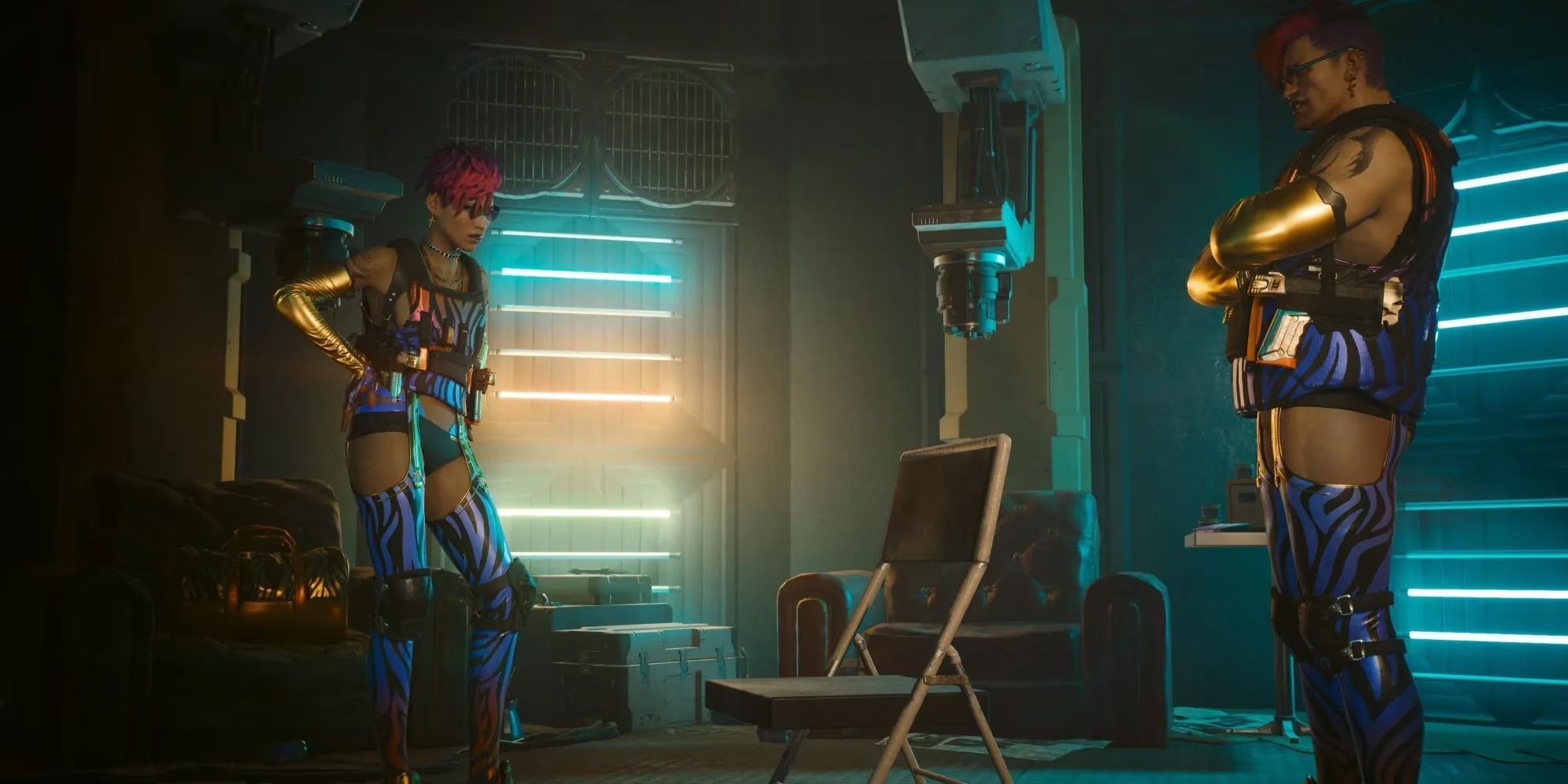
The player gets called to a brain dance store by Lina Malina. It is not Lina Malina. It is the guy who runs the store, a superfan whose brain dance malfunction has dissolved the border between parasocial affection and full identity theft. Brain dances are movies you play inside your skull, so the confusion is almost understandable. Almost. The store owner believes he is Lina, and the quest presents this as a joke with legs: a big man in little lady clothes, a punchline wearing perfume.
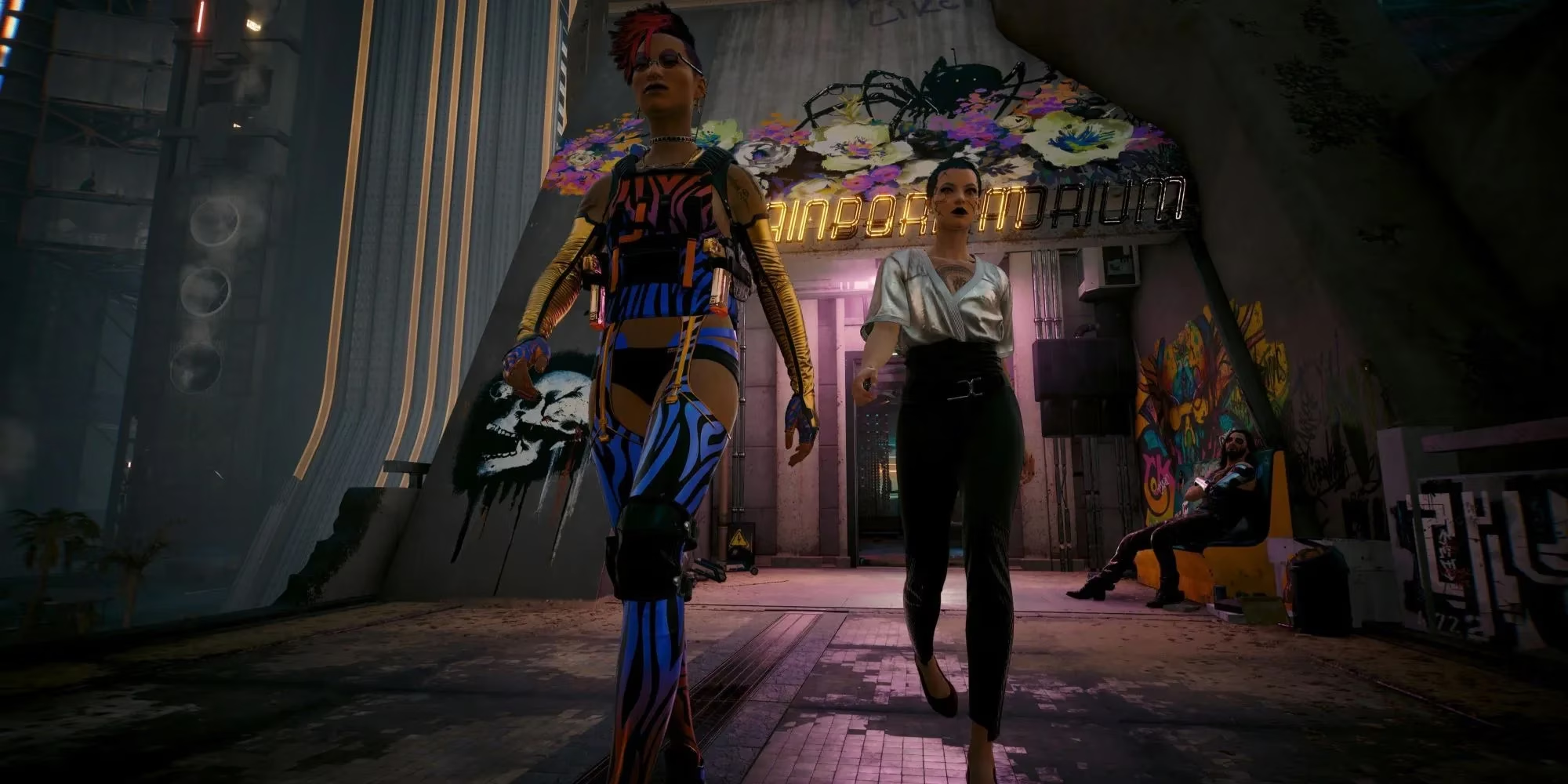
Old letters reveal that the store owner felt most alive when seeing the world through Lina's eyes. Initially, the quest seems poised to explore something genuinely fascinating: a man who wants to escape into a woman's body, in a future where bodies are already interchangeable chrome. Cyberpunk 2077 has a complicated, often clumsy record with trans themes, so relief arrives when the quest reveals its true shape. It is not interested in gender. It is interested in giggles. The result is less cyberpunk and more a neon-lit shrug. 🎭
Then there is the bathwater. The store doubles as an unofficial Lina Malina fan club: posters, magazines, merch, the whole shrine to parasocial devotion. The terminal offers cybernetic upgrades from the other owner, but the store itself refuses to sell anything. Everything is marked sold out, even though the whole point is that the business is dying because nobody is buying. Among the unavailable treasures is a jar of Lina's bathwater. 🛁
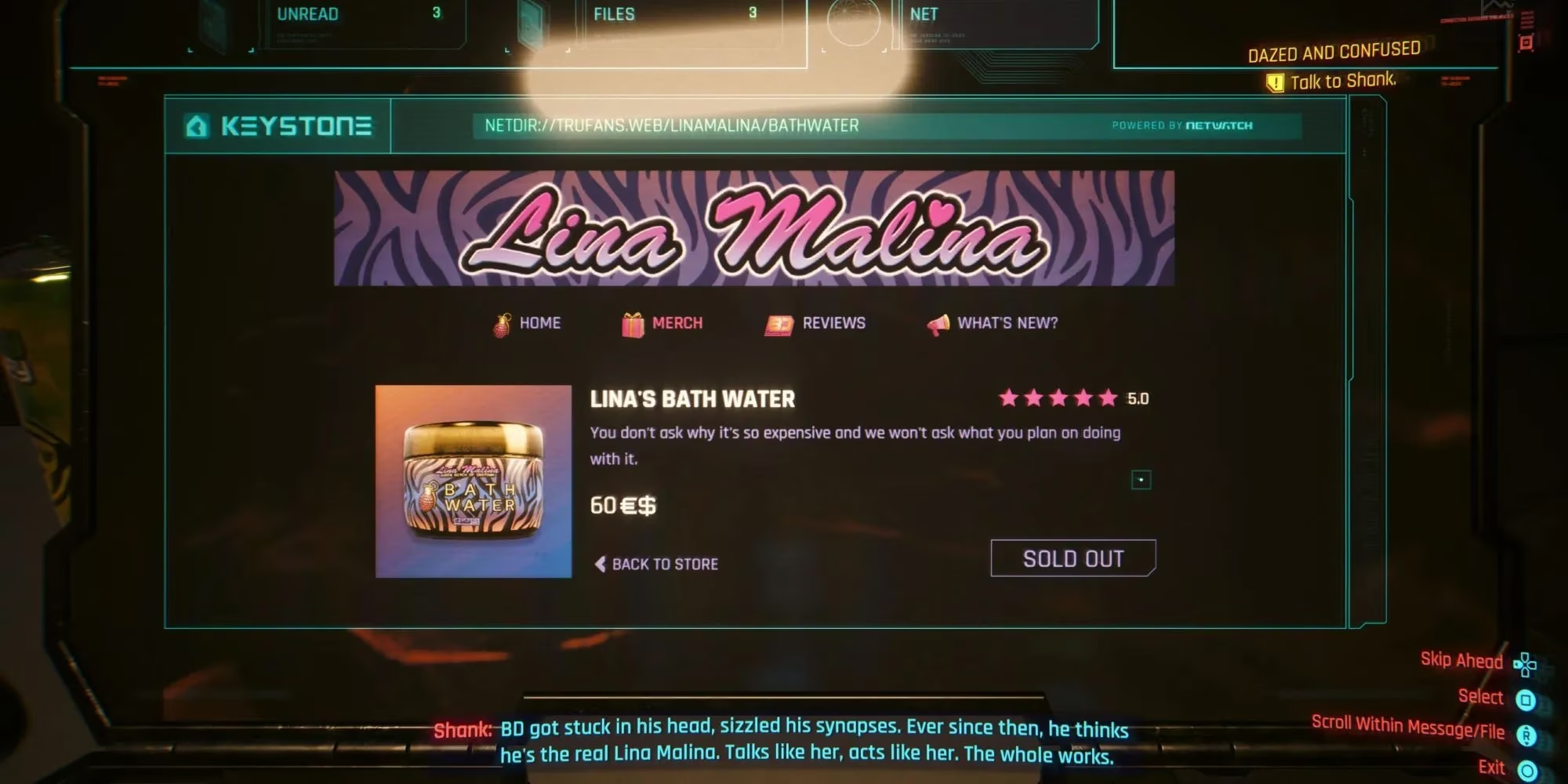
What would the player do with an influencer's used bathwater? That is not the point. The point is that Cyberpunk 2077 is full of doors that do not open and bathwater that cannot be bought. The world is a beautiful diorama sealed behind glass, like a koi pond painted on concrete: pretty, shallow, and impossible to swim in. It invites curiosity, then bills it for the privilege of looking.
A table might help:
| Item | Availability | Emotional Damage |
|---|---|---|
| Lina Malina bathwater | Sold out | Maximum 💀 |
| Cybernetic upgrades | Yes | Practical |
| Store's actual merchandise | No | Existential |
| Closure | Never | Cyberpunk classic |
Baldur's Gate 3 spoiled players. It made objects feel like possibilities. A rope could be rope. A corpse could be a conversation. Cyberpunk 2077, even after 2.0 and Phantom Liberty, still hands out endless consumables that grant two percent faster running speed for thirty seconds, clutter that becomes burden, while actual interactive items remain rarer than a sincere corpo. The bathwater is a funny Easter egg, but it is also a tiny monument to a larger problem. The game has ideas the way Night City has neon: everywhere, dazzling, and often just out of reach. It is concept art wearing a leather jacket.
There were ways this could have mattered. Lina Malina is famous. Her bathwater could have been coveted by Night City's weirdos, traded, weaponized, used as an in with a specific character, or spun into a quest chain involving a black-market bathwater sommelier and a very confused ripperdoc. People have done stranger things with celebrity bathwater, and Night City is precisely the sort of place where such absurdity would find a buyer. Exploring every corner should grant advantages. Knowing the city's stories should open doors. Instead, the bathwater sits there, a joke that impresses only those already desperate to be impressed by a glamorous but ultimately hollow world.
The player did not want the influencer's bathwater for themselves. They wanted it for the people. They wanted the quest to mean something beyond a punchline, to let Night City's strangest citizens collide with its strangest commerce. In 2026, the mission remains a perfect little artifact of Cyberpunk 2077: hilarious, memorable, and frustratingly untouchable, like a vending machine that accepts only exact change in regrets.