As a lifelong adventurer in Hyrule, I’ve marveled at the technological wonders that have defined Link’s recent journeys. Looking back from 2026, the one-two punch of Breath of the Wild and Tears of the Kingdom still feels monumental, genre-defining achievements that rightly sit among the greatest games ever made. Yet, as I reflect on my countless hours spent tinkering with Zonai devices and puzzling through Sheikah shrines, a growing conviction has taken root in my heart. For the next chapter in this legendary saga to truly soar, it must find the courage to leave this ancient technology behind. The magic of Zelda has always been in its sense of primal discovery and timeless wonder, and I believe it’s time to return to those roots.
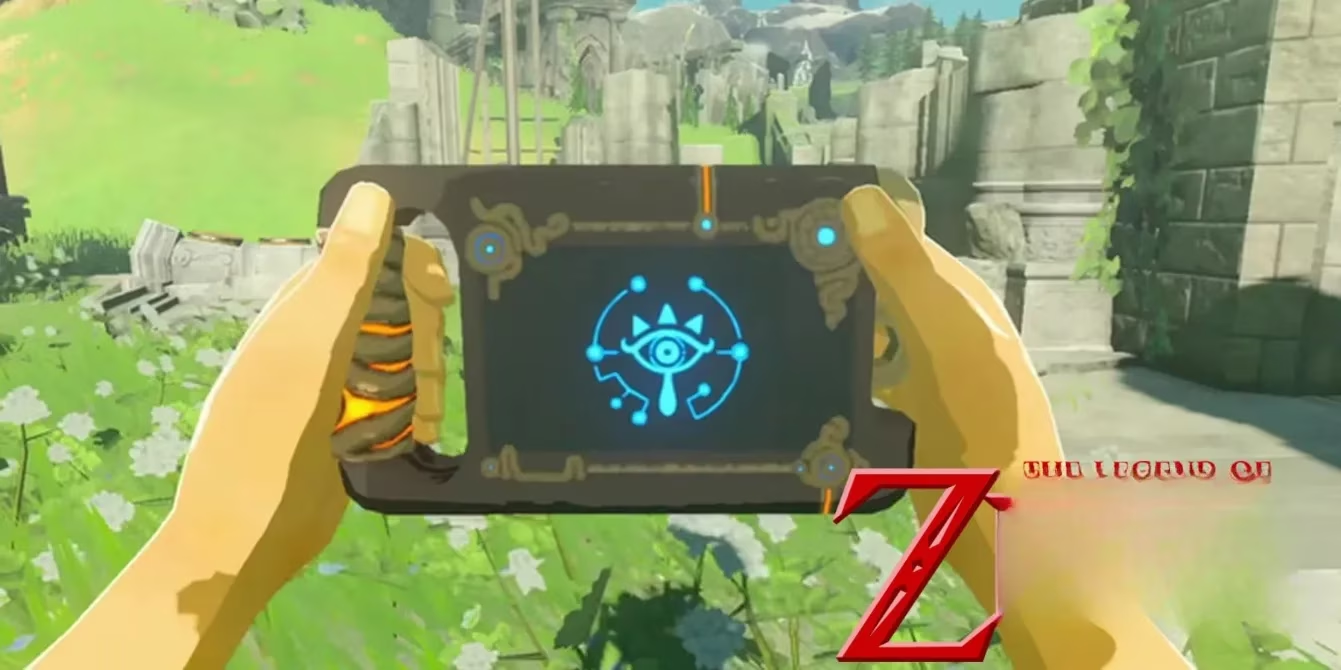
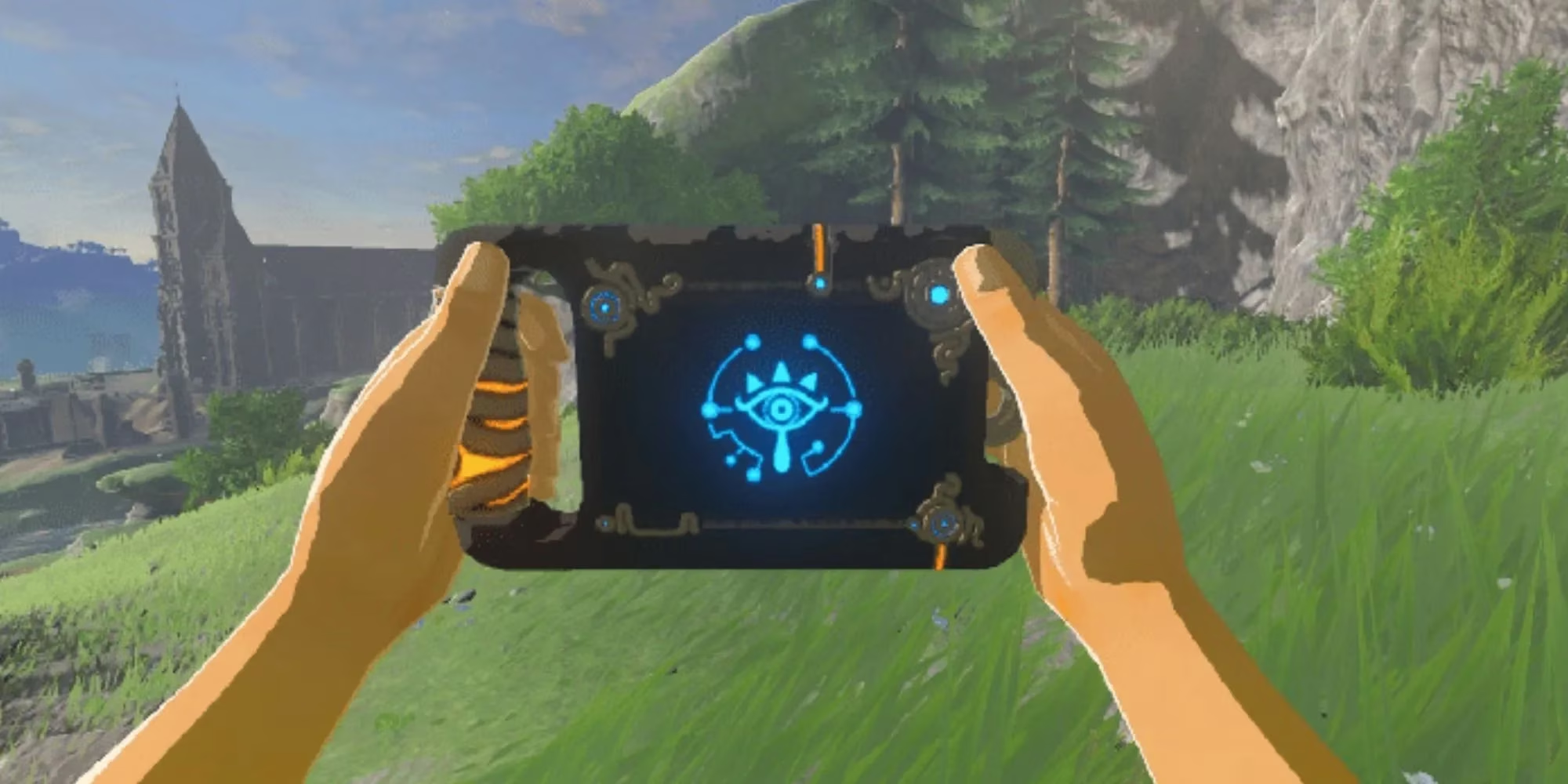
Don't get me wrong—the Sheikah Slate was a brilliant narrative tool. In Breath of the Wild, it elegantly justified the modern gaming conventions we take for granted: an interactive map, a quest log, and a catalog of collectibles. It was a clever way to ground these mechanics in the world. But as I played, a dissonance always crept in. I’d be seeking shelter from a thunderstorm in a crumbling, centuries-old stable, the air thick with the smell of hay and wet wood, only to pull out this glowing, futuristic tablet. The tone would fracture. The ancient, mystical feeling of the world would momentarily evaporate, replaced by the sterile glow of a screen. The technology, while functional, often felt like a means to an end rather than an essential, living part of Zelda’s soul. It explained the "how" of the gameplay but rarely deepened the "why" of the lore in a meaningful way.
Then came Tears of the Kingdom, which doubled down spectacularly. The Zonai devices were an absolute blast—the sheer creativity they unleashed was a masterclass in player-driven gameplay. Building wild contraptions and solving puzzles with Ultrahand provided a tangible sense of progression and made the world feel like a giant playground. Yet, this also created a narrative conundrum for the future. This is now the second major ancient, technologically advanced civilization we’ve encountered in this timeline. Where does the series go from here? Does the next game introduce a third precursor race with yet another style of tech? Or do we expand further on the Zonai, risking creative stagnation? I fear we’re approaching a point of technological saturation.
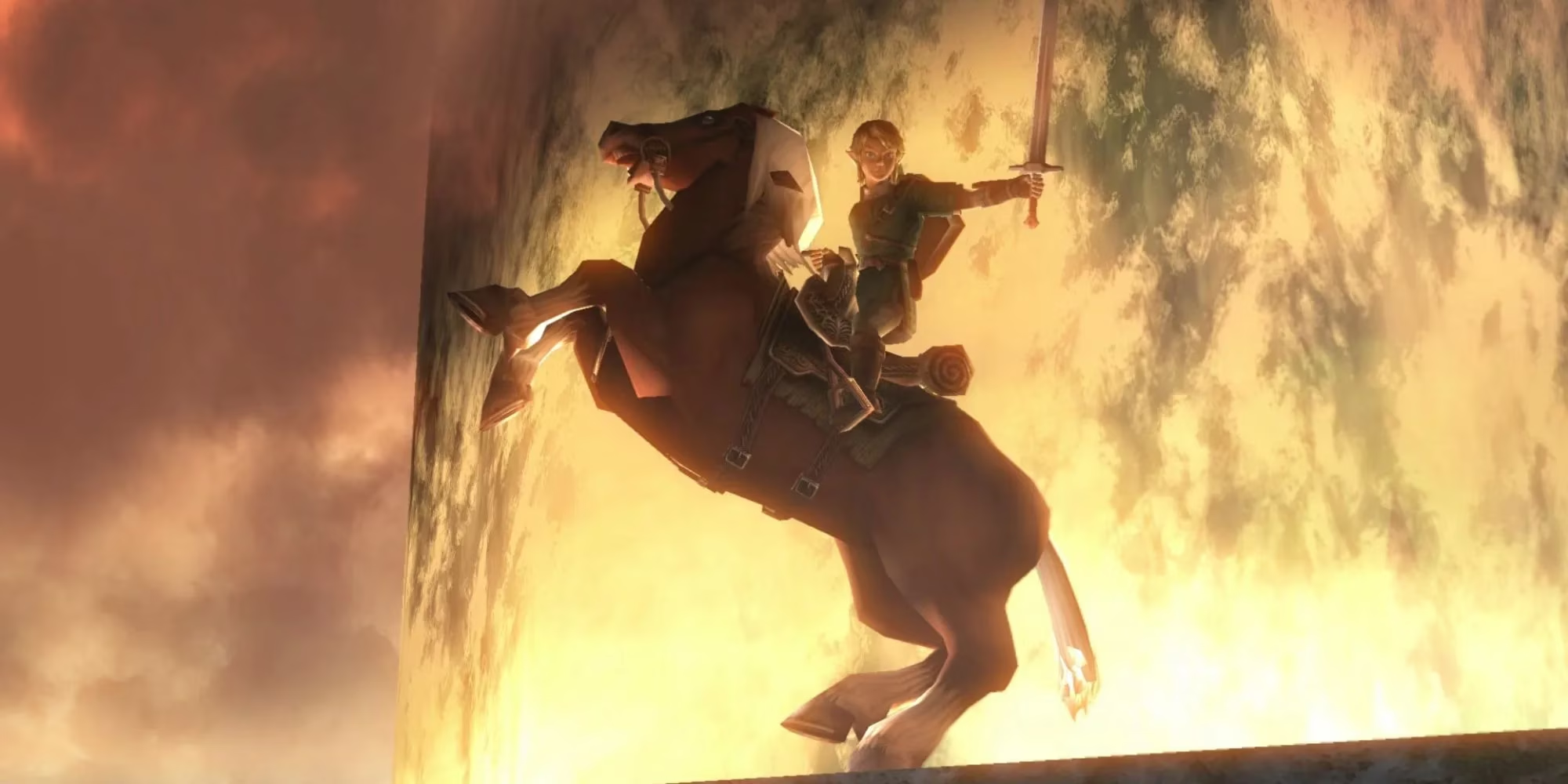
Instead, I dream of a Hyrule that remembers its more humble, grounded origins. I think of the profound atmosphere of Twilight Princess, where the tools of the trade were a sword, a shield, and the courage to use them. The moody, almost gothic aesthetic wasn't broken by anachronistic gadgets; it was sustained by a consistent, immersive tone. Similarly, the boundless seafaring spirit of The Wind Waker was conveyed through wind, song, and the simple trust in a magical conductor's baton. These games achieved their iconic status not through high-tech explanations, but through unwavering commitment to their own unique, often simpler, fantasies.
Imagine the potential of a game built around the fall of this technology. What if the next great calamity isn't Ganon's return, but the silent failure of the ancient machines? A story where the glowing shrines go dark, the Zonai devices crumble to dust, and Link is left with only his wits, his courage, and the fundamental skills of survival. This isn't about regressing to mere sticks and Deku Nuts (though a healthy dose of that would be refreshing!). It's about recentering the experience on the core fantasy: exploration, improvisation, and interacting with a world that feels organically magical, not mechanically constructed.
We’ve seen from games like Far Cry Primal that stripping back to a prehistoric toolkit can create incredibly engaging and fresh gameplay loops. The focus shifts from assembling complex machines to mastering the environment itself—tracking, hunting, crafting from what the land provides, and understanding ancient, non-technological magic. For Zelda, this could mean:
-
Survival-Based Crafting: Creating elixirs, temporary tools, and shelters from foraged materials, making every resource count.
-
Animal Companionship & Taming: Deepening bonds with creatures like horses, but also perhaps wolves, hawks, or even more mythical beings for traversal and puzzle-solving.
-
Rune-Free Magic: Learning spells through ancient songs, forgotten prayers at springs, or bargains with forest spirits—magic that feels earned and mystical.
-
Environmental Mastery: Using weather, sound, light, and the behavior of creatures to solve challenges and navigate the world.
This shift would do more than just change the mechanics; it would liberate the series. For nearly a decade, the shadow of the Sheikah Slate and the Zonai has loomed large. Moving beyond tech is the boldest way for the next game to step out of that shadow and define its own legendary identity. It’s a chance to reconnect with the timeless, fairy-tale heart of Zelda that sometimes gets obscured by the blue glow of a shrine terminal. As a player who has loved both the old and the new, I’m ready for an adventure that doesn’t need a battery to spark its sense of wonder.